
Short answer: you need both, and each plays a distinct role. Video earns attention on social, where Reels, Shorts and TikTok now set the pace. Still photography carries the work everywhere else: your website, product pages, billboards, print and most paid media. And it doesn't take two separate productions. With the right planning, a single shoot day delivers both without compromising either.
How we got here
Instagram launched as a photo-only platform. As Reels and short-form video took over, the content brands need shifted with it. Platforms like Instagram now set the creative direction for brands, and that direction is motion.
The data supports it. According to Wyzowl's 2026 video marketing report, 91% of businesses use video as a marketing tool, matching the highest level on record.
It has reshaped how I work as well. Every production I take on now includes video, even when the brief doesn't call for it. Athletic campaigns, fine jewelry, straightforward product work: I capture motion on all of them, because a feed built on stills alone goes flat. A few seconds of movement, or even a subtle animated loop, gives a campaign energy and sets it apart in the feed. For any campaign or commercial photographer today, delivering video is no longer optional.
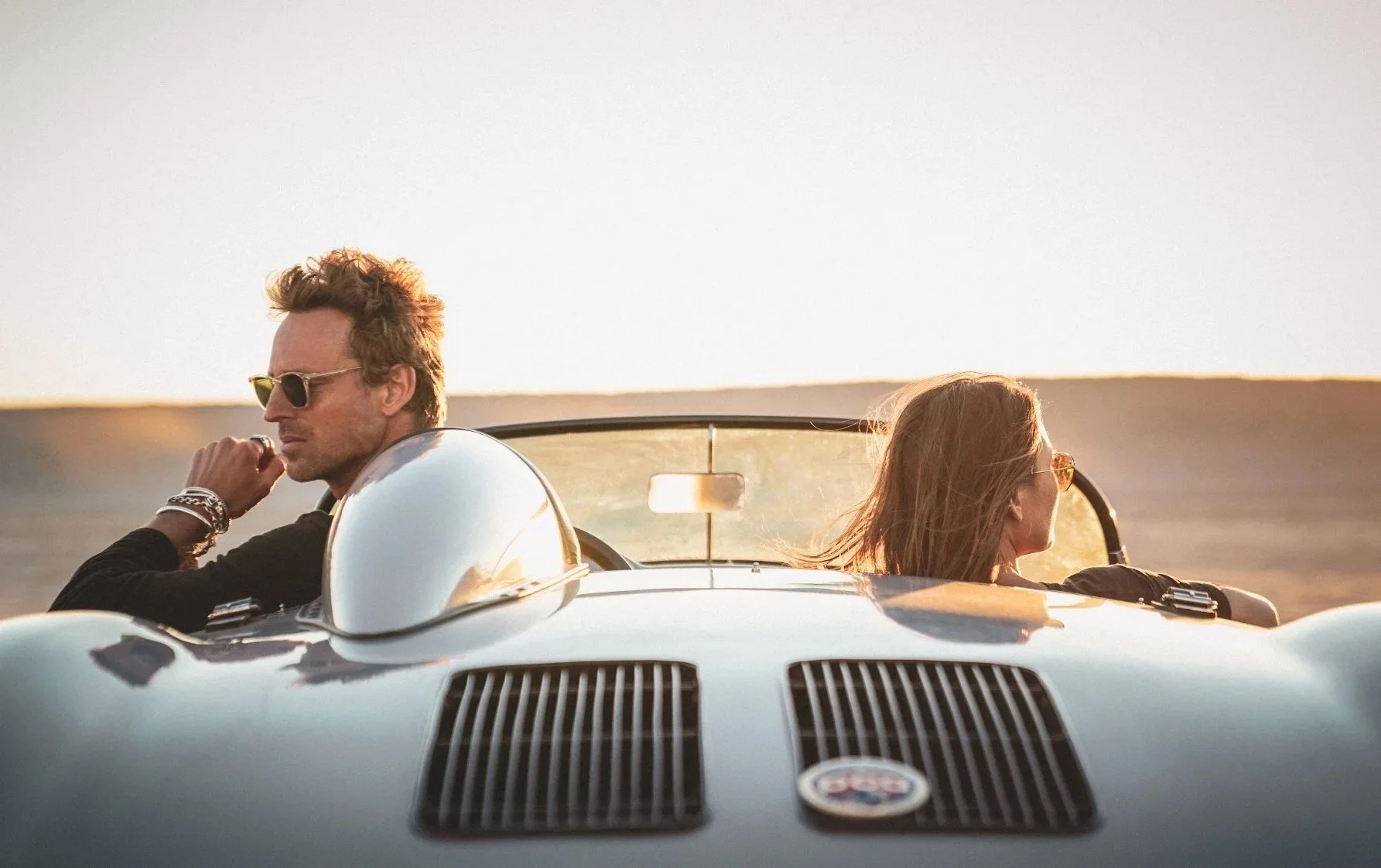
Why still photography matters as much as ever
None of this means photography is receding. Exceptional still imagery is as essential as video, arguably more so. It's what brands depend on for:
Websites and product pages, where customers study color, detail and fit
Billboards and print, from out-of-home campaigns to lookbooks and packaging
Paid media, across Google, Facebook and Instagram, where static image ads remain a staple
Press and marketplace listings, which run on stills
Video stops the scroll. A strong photograph is often what closes the sale.
Capturing photo and video in a single shoot day
A common concern is that adding video will compromise the stills, or the reverse. With the right structure, it doesn't.
When a production calls for more than a few clips, I bring in a dedicated videographer, typically for two or three hours rather than the full day. We work scene by scene: I capture the stills for each setup, and the videographer films that same scene immediately before or after. Photo, video, photo, video. Product details, movement, apparel, jewelry or footwear in motion, the location itself, and aerial drone coverage when it suits the concept. In a few focused hours, that yields enough footage for a polished 20-second spot, plus a library of clips for social.
What doesn't work is expecting one person to capture both at full quality simultaneously. Leaner productions sometimes assume it's possible, but stills and motion demand different setups and different attention. Dividing each scene between two specialists is what keeps both at a high standard.
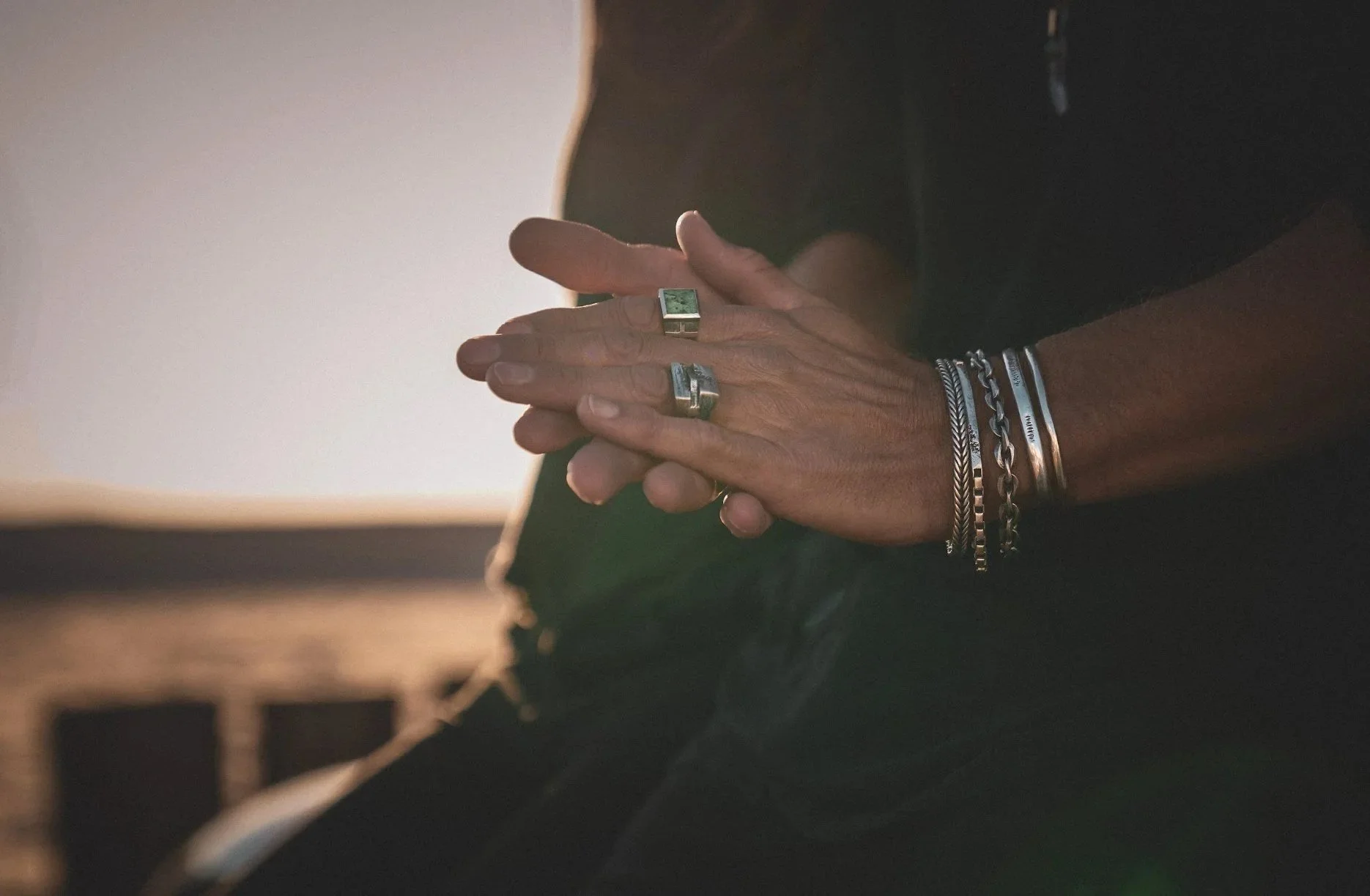
What drives the cost of adding video
There's no single price, because video spans a wide range of production levels:
Natural, handheld footage. The client shares a mood board and a few reference videos, and I capture it myself alongside the stills. No additional crew, minimal added planning.
Polished social and ad content. A dedicated videographer for part of the day, planned shot lists, and an edit into a short-form spot.
Cinematic production. A storyboard, a narrative arc, wardrobe changes, a larger crew and far more pre-production. That's a larger undertaking, scoped accordingly.
The more planning and finish the video requires, the greater the investment. The most efficient approach is to define the style up front and share references, so motion is built into the same day as the stills. For more on budgeting, see how much to budget for professional product photography, and for planning imagery that performs across every channel, see whether you need different photos for different platforms.
FAQ
Is video more effective than photos for marketing? Each excels at a different job. Video is strongest at earning attention on social; stills are essential for product pages, print, billboards and most paid media. Most brands need both.
Can a photographer shoot video on the same day? Yes. Simple footage can often be captured by the photographer; for more polished video, a videographer joins for part of the day and films each scene alongside the stills.
Do I need a separate shoot for video? Rarely. Building both into a single shoot day is more efficient and keeps the stills and motion visually consistent.
How long should a short video ad be? Concise. Many of the social spots I help produce run around 20 seconds, cut from footage captured during the stills session.
Planning a shoot?
Tell me where your content will run and the aesthetic you're after, and I'll plan a production day that delivers both stills and motion. You can see recent work on the brand campaign page, or get in touch here.