
Most brands should budget between $500 and $10,000 for a professional product shoot. Around $500 covers a handful of simple product shots on a white background. Around $1,000 secures a half-day shoot for a couple of products. Around $3,000 covers 10 to 15 products or a full lifestyle day. At $10,000 and above, you're investing in true production value: a digital tech, a full lighting setup and the level of finish beauty and premium fitness brands expect.
Where you land depends on four factors: how many products you have, whether you need lifestyle imagery or product shots alone, who and what needs to be on set, and how refined you want the final images to be.
I've photographed product work for everyone from emerging beauty brands needing ten products on white to fitness and footwear brands running full studio and lifestyle productions. Here's how I would approach the budget in your position.
What each budget level delivers
Around $500: the baseline for a professional shoot. A few products on a clean white background, one or two angles each, photographed in my studio. This is focused e-commerce photography for your website: no models, no locations, no large-scale production. I rarely take on work below this level, because the setup requires the same time whether you have three products or five.
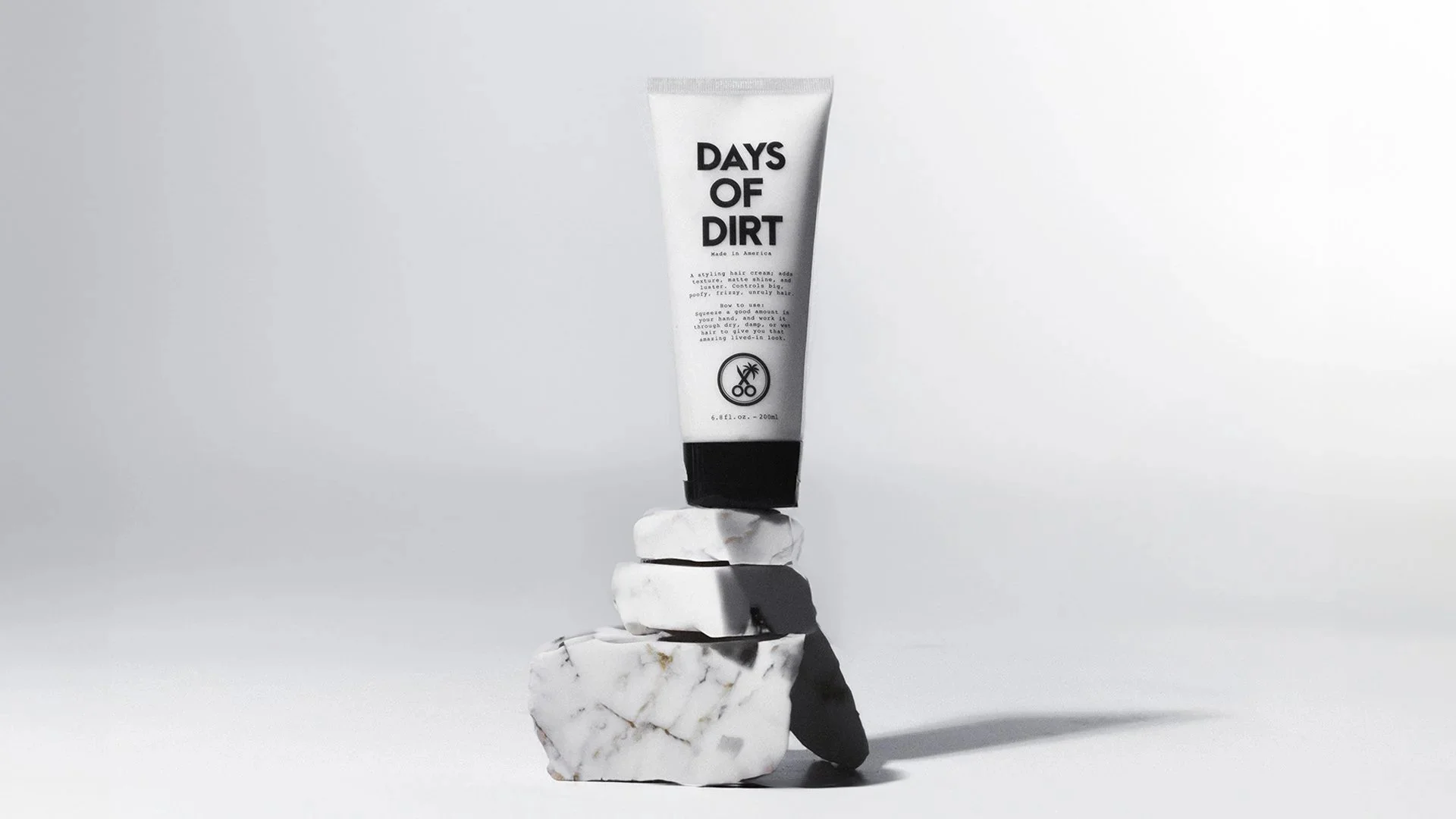
Around $1,000: a half-day shoot. A couple of products, either in studio with more considered lighting or in a simple lifestyle setting. Well suited to a small launch or refreshing the primary images on your site.
Around $3,000: more products, more variety. Roughly 10 to 15 products with a selection of lifestyle images. Or, if you only need lifestyle, a full day on location shot by me without a digital tech, maximizing time behind the camera.
$10,000 and above: production value. This is where image quality shifts noticeably. The budget brings a digital tech (who manages files and lets you approve shots live on set), diffusion, reflectors, a complete lighting setup and the time to perfect every frame. It's close to a full-scale production, and it's typically where beauty and premium fitness brands begin.
How I price a shoot, and why I don't publish a rate card
I charge by the half day or full day, not per image. Within that time, you can bring as many products as we can photograph without compromising quality. Shoots that extend beyond eight hours incur overtime.
I don't publish fixed rates, and many full-time commercial photographers don't either. Every brief is different: a quote for ten products on white bears no resemblance to a quote for a lifestyle production with models and a location. A flat number on a website is either too high for simple projects or far too low for complex ones. A brief conversation about your needs produces a figure you can plan around with confidence. For brand campaigns specifically, see what brand photography costs in Los Angeles.
What a full day can produce: a real example
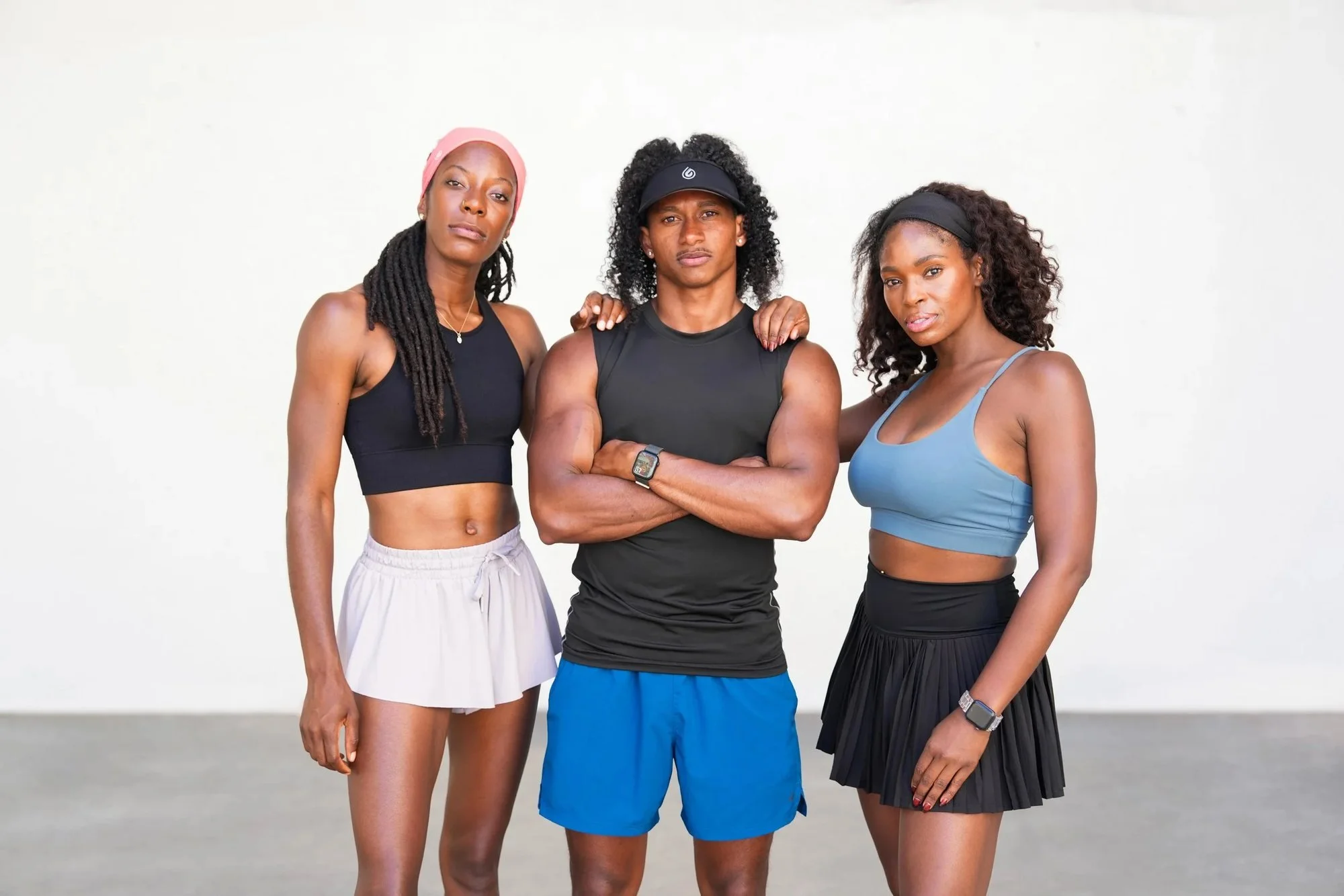
For Gymwrap, a fitness apparel brand, we captured 50 SKUs in a single 10-hour day, with four to five models rotating through lifestyle setups. That's the return on thorough planning: one well-organized day that fills an entire product catalog, rather than five small shoots that never quite align.
At the other end of the spectrum, a beauty brand needed ten products on white, one or two angles each, for its website. A modest budget, a simple brief, photographed in my studio. Each was the right budget for what that brand needed.
Lifestyle vs. product shots: which should you budget for?
If you don't yet have lifestyle imagery, prioritize it. Then make sure your product shots are exceptional. You need both, because they serve different roles.
People buy on emotion first. When you land on a fitness brand's website, you don't see a shoe on white. You see someone sprinting, leaping, looking strong. You want to be that person, and that's what prompts the click. Lifestyle photography sells the feeling.
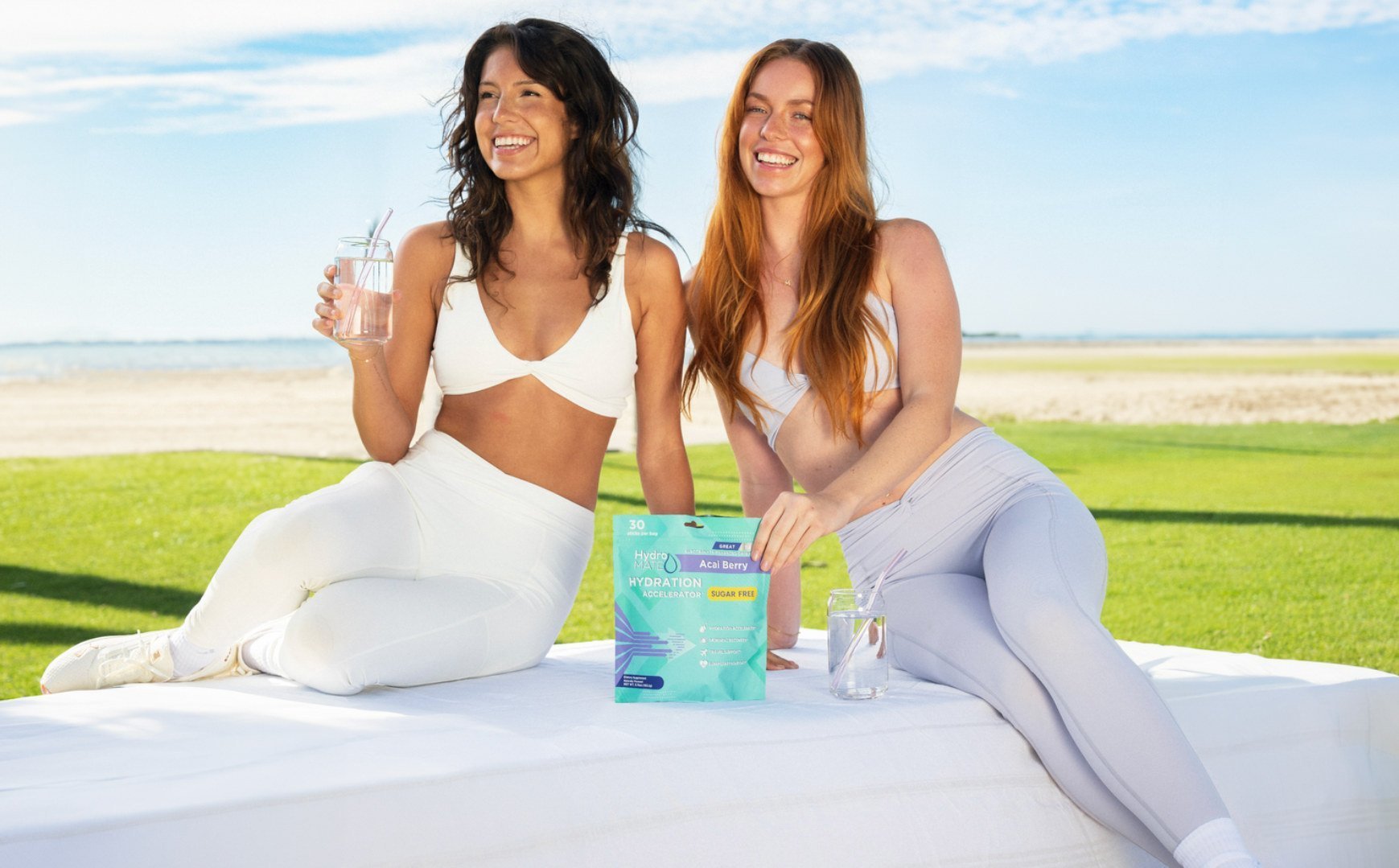
Further down the funnel, on the product page, the role changes. Now the customer is examining color, detail and how it will look on them. That's where the product shot closes the sale. If the colors are faded or slightly off, the image is soft, or it simply lacks impact on screen, in my experience a significant share of those buyers abandon at checkout, after you'd already sold them the vision.
You can execute everything else well and still lose the sale on a weak product image. Budget for both, and don't compromise on either.
The costs brands overlook
Many clients picture a photographer arriving with a camera and everything else simply being in place. In reality, depending on the shoot, a realistic budget can include:
Planning and pre-production: shot lists, mood boards and scheduling
Models and hand models: priced on experience and usage
Studio rental or location fees: a location booked through Peerspace carries its own hourly rate
Permits for shooting in public spaces
A wardrobe stylist, plus the wardrobe itself, which has to be purchased
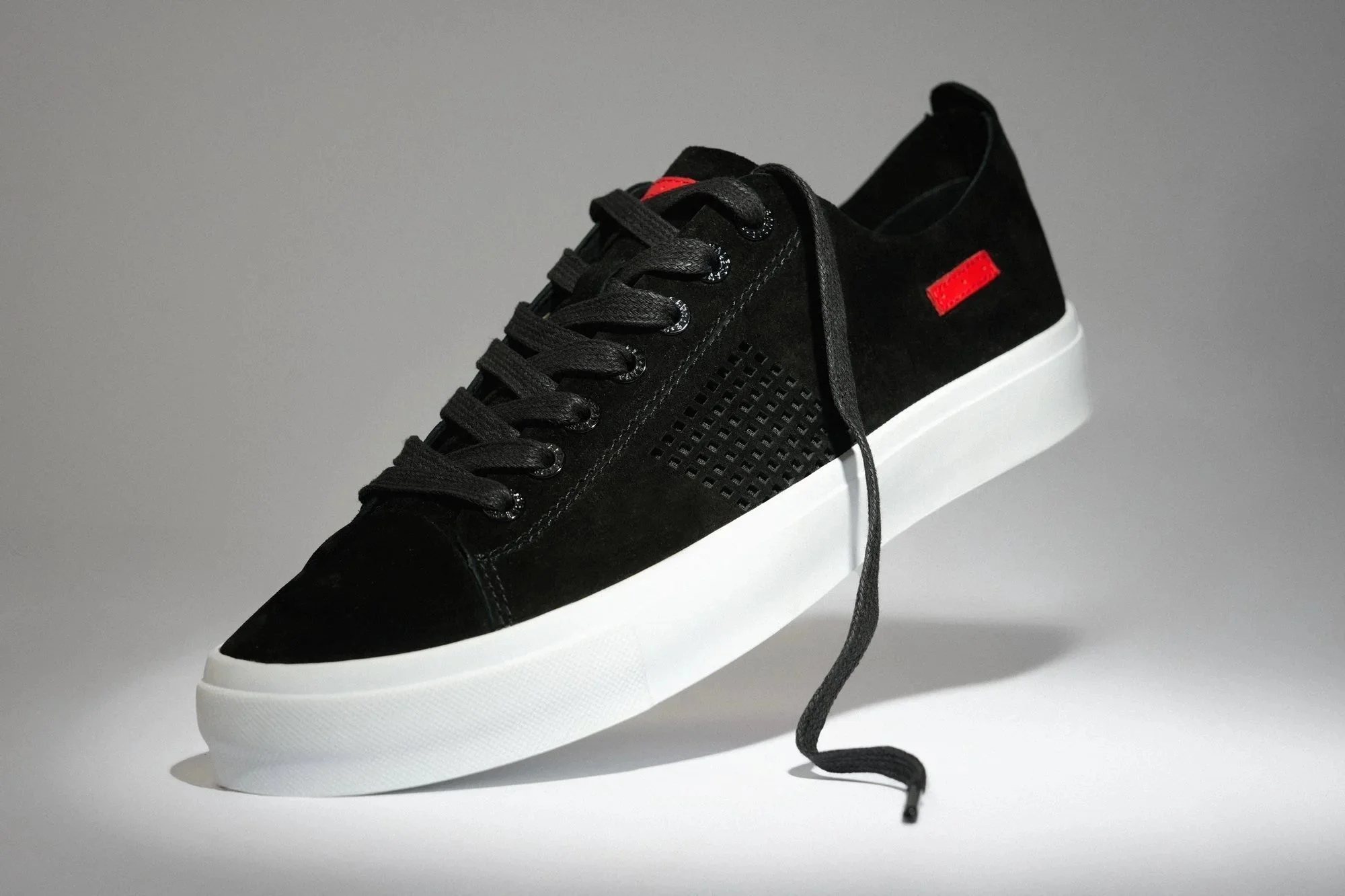
Props, backdrops and set pieces: one sneaker production I shot used gels and multiple backdrops for the studio work, plus a hand model, before the lifestyle portion began
A dedicated videographer: when I'm capturing stills, I can't simultaneously shoot video
Travel: if the shoot is in Palm Desert, or crew is flying in from Las Vegas, that belongs in the budget
Retouching and usage rights (more on usage below)
That's why I itemize every quote. Most brands don't commission shoots frequently, so a total on its own can seem high. Once every line item is visible, the figure makes sense. It's transparency, not upselling.
The most common budget mistake: compromising on talent
The mistake I see most often is economizing on models. A brand books someone attractive who has never modeled professionally, assuming that's sufficient. It never is. Presenting a product well, especially eyewear, accessories or beauty products, without overselling it is a professional skill, and an inexperienced model costs you time on set and usable frames in the edit.
The same applies to the photographer. I've had brands choose a less expensive photographer, then return when the images fell short. When that happens, I charge my standard rate. The cheaper option ultimately cost them twice.
Usage rights: where the images run affects the price
Usage is the fee for the right to use the images, and where they run matters. Images for your website and social channels cost far less than images for billboards, national advertising or retail packaging. On larger projects, such as celebrity or high-profile event work, my usage fees typically range from $1,000 to $2,000, depending on the project.
Across the industry, usage is generally priced on:
Media: website, social, paid ads, print, out-of-home, packaging
Duration: for example one year, two years, or in perpetuity
Territory: regional, national or worldwide
Exclusivity: whether the photographer can license similar images to others
Agree on usage in writing before the shoot. It's far less costly than renegotiating after an image appears somewhere it wasn't licensed. For a deeper look, see photo usage rights explained.
How to get an accurate quote, and more value from your budget
The single most valuable thing you can send a photographer is a brief with a mood board.
Without visuals, "product photography" can mean simple shots on white or high-end, cinematic lighting. A client with a modest budget requests product photography, I quote for clean white-background shots, and then the reference images arrive showing dramatic, sculpted lighting. They're not being difficult; they simply don't know what goes into that look.
The same applies to lifestyle. I've received mood boards filled with palm trees leaning over turquoise water for a shoot in Los Angeles. Beautiful images, but that isn't our landscape. So we need to decide: fly to Hawaii, or find a beach that captures the feeling.
A strong brief covers:
The style: studio, lifestyle or both, with reference images
The purpose of the images: website, Amazon, paid social, print
How many products and how many models
The models' gender, age range and look
Who your customer is. Shooting for Gen Z versus Gen X changes the wardrobe, styling and even the camera angles.
For a complete template, read my guide on how to brief a commercial photographer.
FAQ
What's the minimum for professional product photography?
For my studio, it's $500, which covers a handful of products on a white background. Below that, a professional shoot rarely makes sense.
Is it cheaper to pay per image or per day?
For more than a few products, a day rate typically offers better value. You can fit as many products as the time allows; for example, 50 SKUs in a single day for Gymwrap.
Do I need lifestyle photos or just product photos?
Both. Lifestyle images sell the feeling; product shots close the sale. If you only have one, start with whichever your sales funnel is missing.
Why don't photographers list their prices?
Because two "product shoots" can differ by thousands of dollars depending on products, crew, location and usage. A short conversation gets you an accurate figure.
Ready to plan your shoot?
Send me what you're selling, where the images will run and a few references you admire, and I'll return a clear, itemized quote. I produce across Los Angeles, Orange County and San Diego. Get in touch here.