
In the US, the photographer owns the copyright to the images by default. What a client purchases is a license: permission to use the images in defined placements, for a defined period. For most growing brands, that license is simple and covers the website, social channels and digital advertising. Larger placements such as billboards, packaging or national campaigns are priced accordingly, and a full buyout must be agreed in writing. Rights also extend beyond the photographer. Models and the agencies that represent them hold usage rights of their own, and those terms can shift a budget considerably. All of it should be settled before the shoot, not after.
I learned that last point firsthand. Here's what every brand should understand before booking a shoot.
Who owns the photos?
When you commission a photographer, you're investing in their time, expertise and the images they create. Unless a written agreement states otherwise, the photographer retains the copyright, and you receive the right to use the images as agreed.
That isn't a photographer being difficult. It's how US copyright law works, and it's standard across commercial photography. If you want to own the images outright, that's a buyout, and it requires a signed agreement that either transfers the copyright or grants exclusive, unlimited use.
What a usage license actually covers
A usage license defines three things:
Placement: website, social, paid ads, email, print, packaging, billboards
Duration: one year, two years or in perpetuity
Territory: local, national or worldwide
Some licenses are also exclusive, meaning the photographer won't license similar images to anyone else.
For most of my clients, usage is simple. A brand launching a clothing line, building a website, publishing on social and running digital ads doesn't need complex licensing terms, and I don't impose them. Website, social and digital advertising are covered.
Usage becomes a formal line item on larger commercial work: spirits brands, luxury watch brands and national campaigns. When images may appear on a billboard or in a national campaign, usage is built into the production budget. On those projects, my usage fees typically range from $1,000 to $2,000, depending on scope.
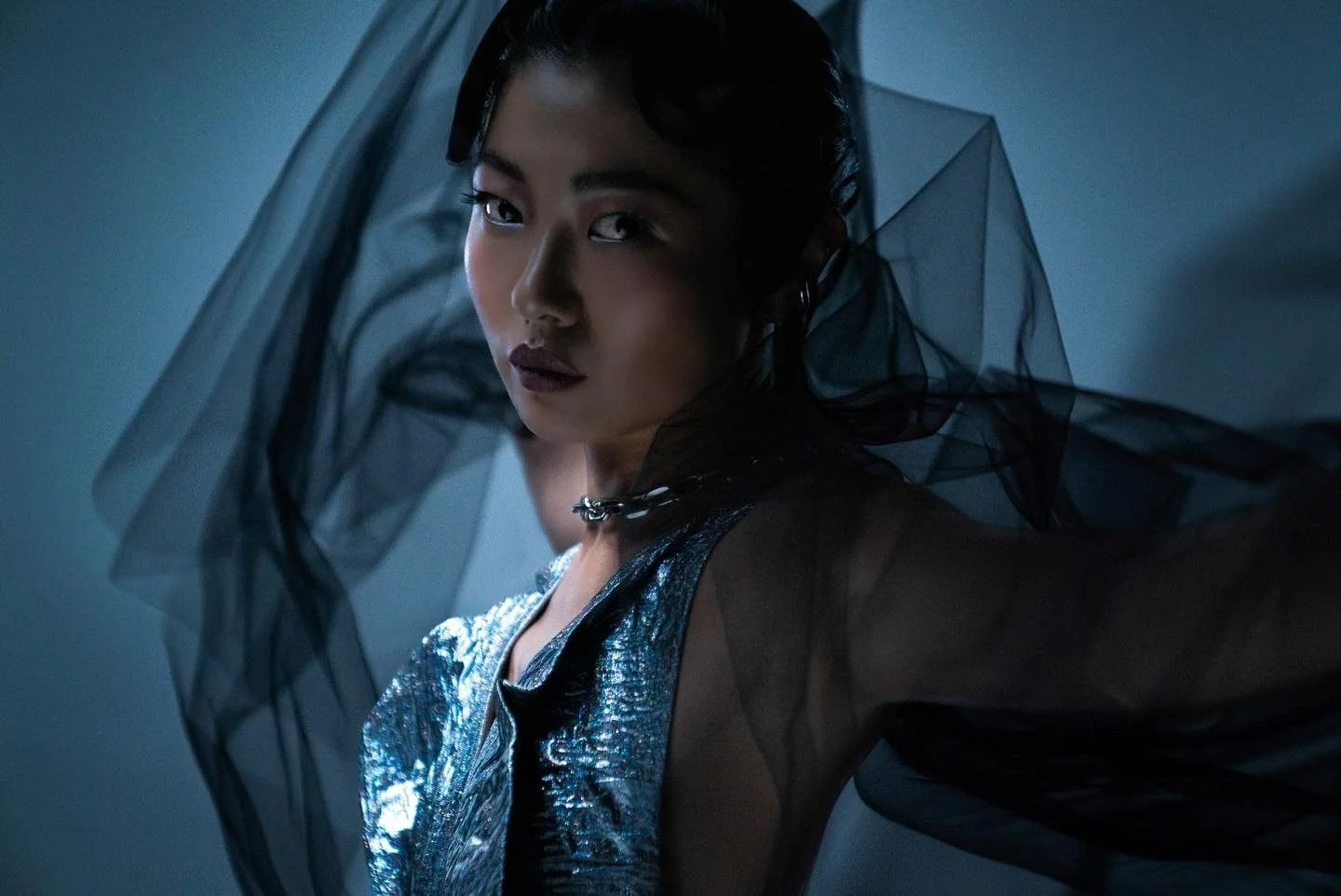
What can happen without a written agreement
Some time ago, a local business hired me to create relaxed social content on the beach in Venice: stills and some video, a short shoot on a modest budget. The content was intended for their social channels and website. There was no formal contract, and the model hadn't signed a release.
About a year later, one of the images appeared on a billboard on Sunset Boulevard, about as visible as advertising gets.
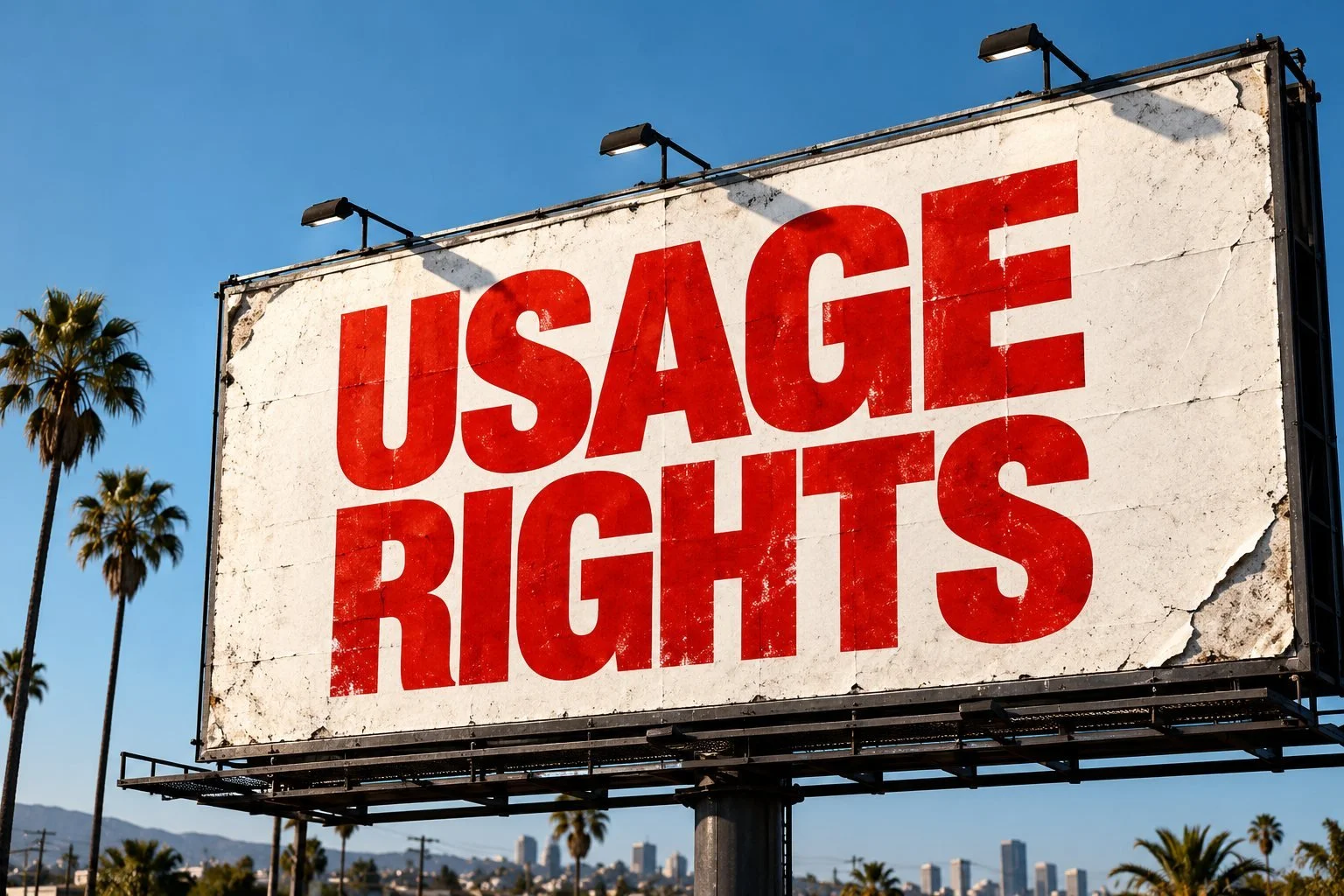
The model had never agreed to that placement, and it became a dispute between the model and the business. The owner called me looking for footage from the shoot to prove the model had approved it. No one had approved anything.
It was a defining lesson. Since then, every detail is settled before the shoot: a quote, a contract that defines usage, signed model releases, and then the invoice. That process protects the client as much as it protects me.
Models and agencies have usage rights too
This is the part most brands don't anticipate. The photographer's license is only one component. Models, and the agencies that represent them, charge usage fees as well, and those fees scale with how widely the images will run.
Recently, a kids' footwear brand approached me for a full buyout, with the right to run the images anywhere, indefinitely. The models' agency agreed, for a fee. The brand chose not to cover it, and the shoot was canceled.
No one acted unreasonably. The agency was protecting its talent, and the brand made a budget decision. But it illustrates why placement should be decided before booking, because it affects the cost of everyone in front of the camera, not only behind it.
When I produce a shoot, model releases are handled as part of the production, so the usage you're paying for matches what everyone has signed.
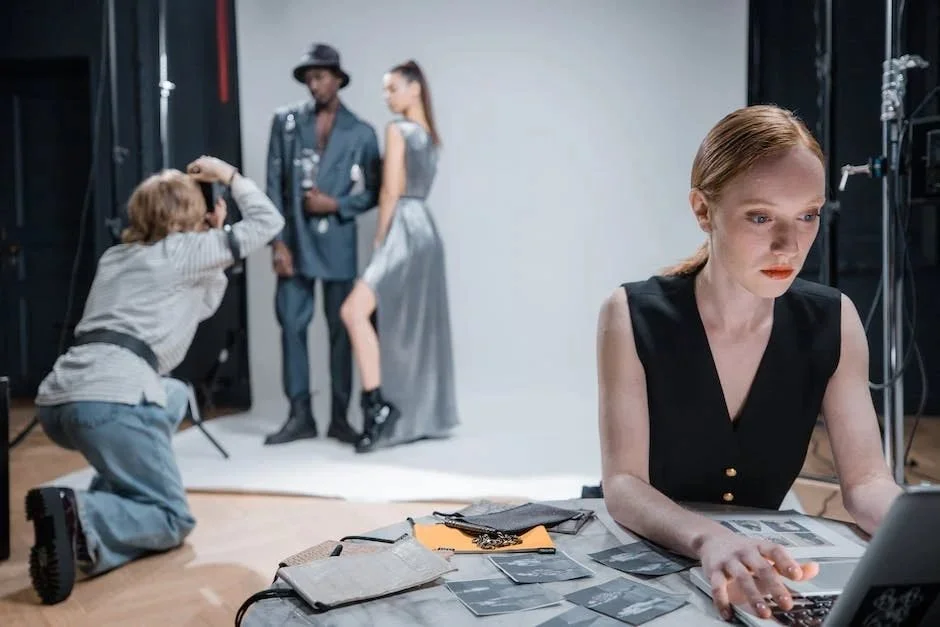
What belongs in writing
My process is consistent: a quote to begin, a contract that defines the terms, then an invoice according to the agreed payment schedule. Whoever you hire, make sure the paperwork covers:
Usage: placement, duration, territory and exclusivity
Ownership: whether the photographer retains the copyright (standard) or the project is a buyout
Model releases: signed by everyone pictured, matching the usage you need
Deliverables: number of edited images, file formats and turnaround
Payment terms: deposit, final payment and cancellation terms
Portfolio use: whether the photographer can feature the work
It takes minutes to agree on, and it prevents the kind of billboard dispute described above.
Expanding usage after the shoot
It's common for a brand to shoot for its website, then a year later want an image on packaging or in a print campaign. That's entirely workable. Request a usage extension from the photographer before the image runs. The new placement is licensed, typically for an additional fee, and the model releases are confirmed to cover it. Running an image first and asking later is how disputes begin.
My advice to every brand
Before you book, know where your images will live, not just this month but over the next year or two, and share that with your photographer from the start. It's the single biggest factor in what usage costs, and it keeps everyone protected, including the talent.
This isn't legal advice. For high-stakes contracts or disputes, consult an attorney.
For a sense of what different budgets cover, see what brand photography costs in Los Angeles, and for a full picture of a production, see what's included in commercial photography services.
FAQ
Do I own the photos I paid for?
Not by default. In the US, the photographer owns the copyright unless you've signed an agreement transferring it. You own a license to use them as agreed.
Can I use my photos for ads, not just my website?
Usually, yes, if the license covers paid ads. Most small-business licenses include website, social and digital ads. Billboards, packaging and national campaigns are typically priced separately.
What's a buyout?
A buyout gives the client full or unlimited rights to the images. It costs more, and models and their agencies will usually charge more for it too.
Do I need model releases?
Yes, for any commercial use of a recognizable person. The release should cover the same usage as your license.
Planning a shoot?
Share where the images will run, and I'll structure the usage, model releases and budget around it, so there are no surprises later. Get in touch here.