
What’s Included in Commercial Photography Services?
When people hear "commercial photography," they picture a photographer and a camera. On a real commercial job, that's only part of it. The service covers three stages: pre-production (planning, locations, permits, casting and wardrobe), the shoot itself (me, a digital tech, assistants, a gaffer, hair and makeup, styling and the full equipment package), and post-production (selects, editing, retouching and delivery). How much of that you need depends on the project and the budget, but on a full commercial shoot, the photographer is the one running the whole production.
Here's how that played out on a recent production: a two-day shoot I did for TRAFFIK, an Orange County ad agency, and their client Alignment Health in San Diego. Four models, two locations, two days.
Pre-production is most of the job
Most of the work happens before anyone picks up a camera, and it's the part clients rarely think about. On larger productions, a producer typically handles this. On this job, I produced it myself.
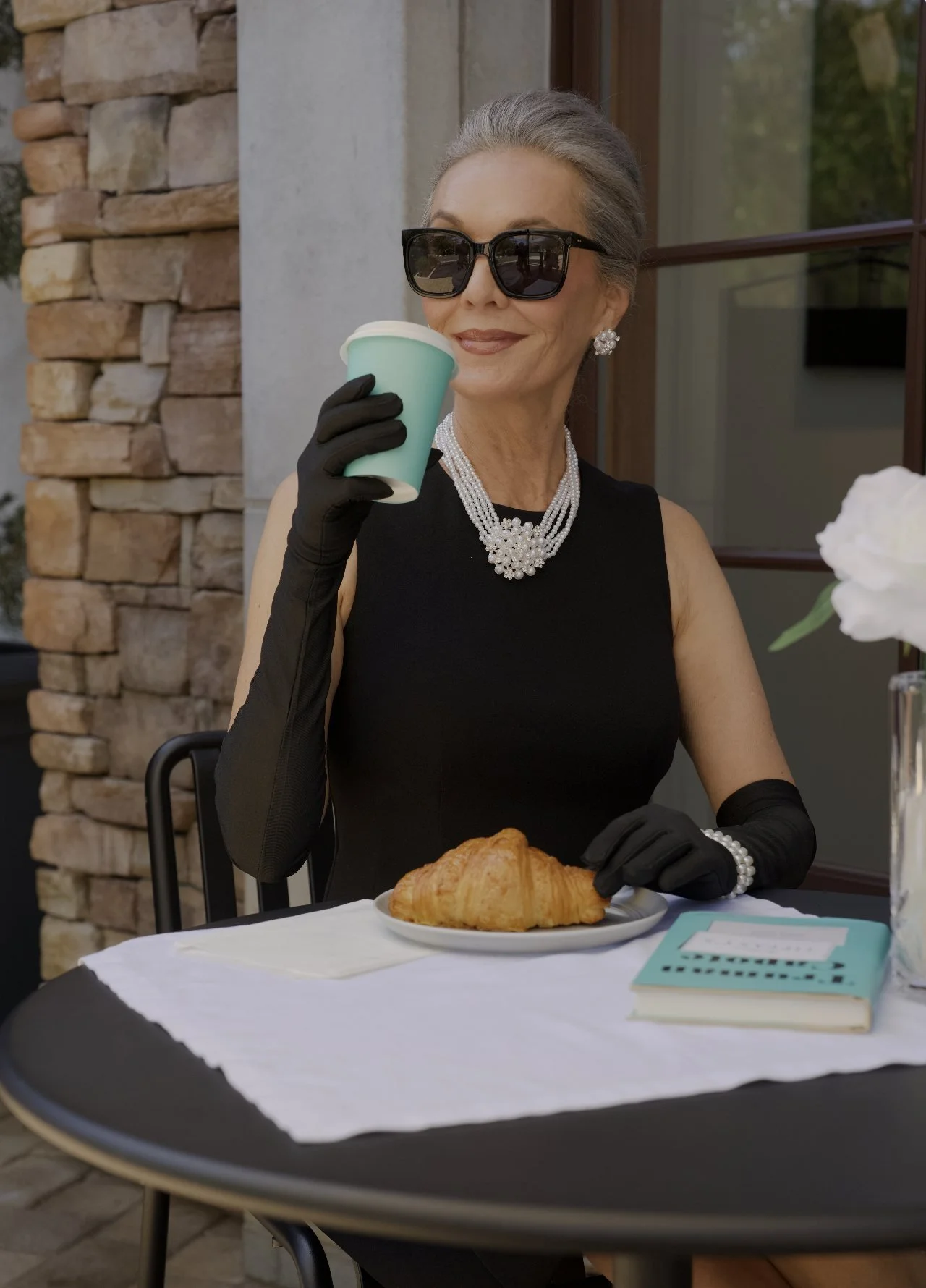
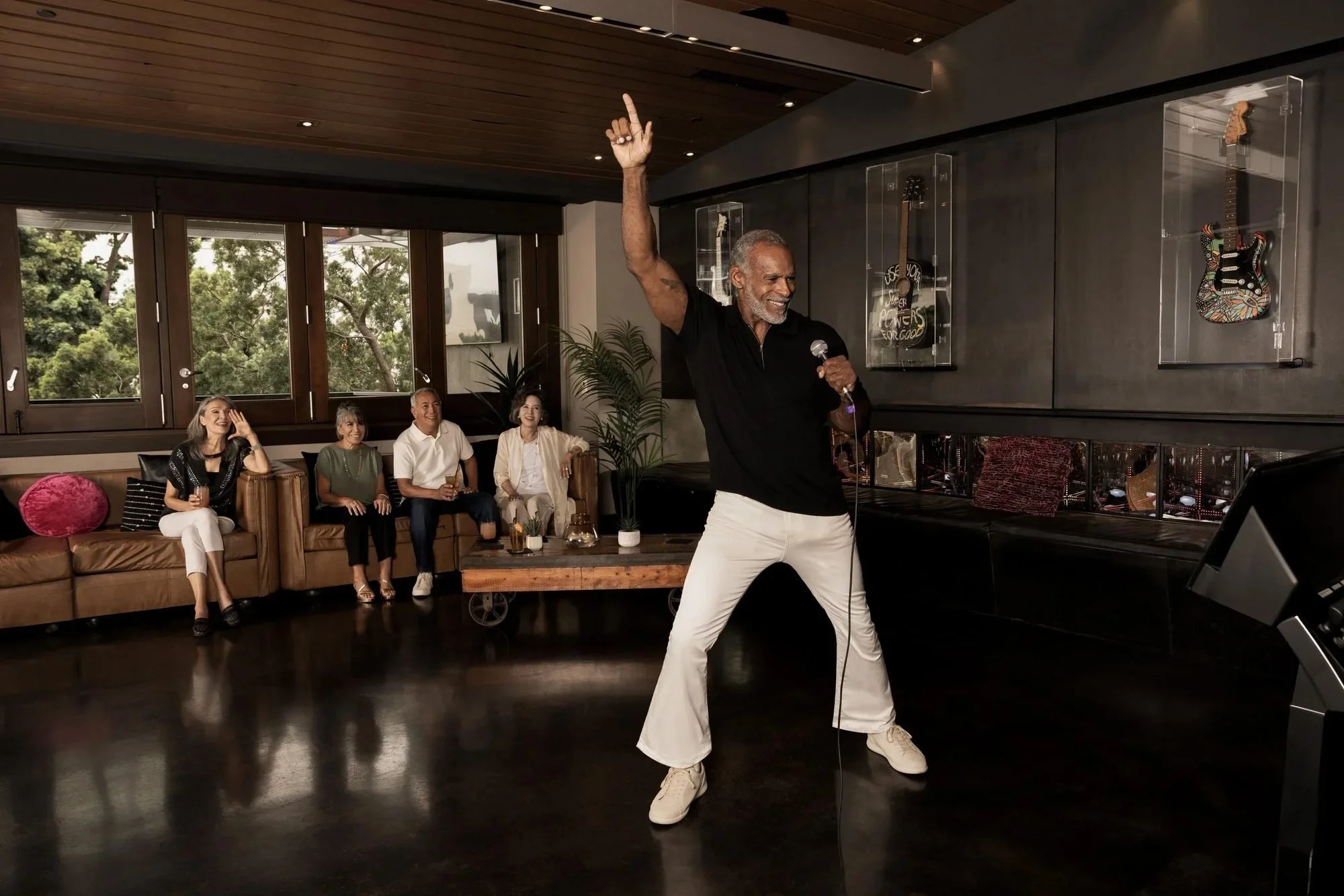
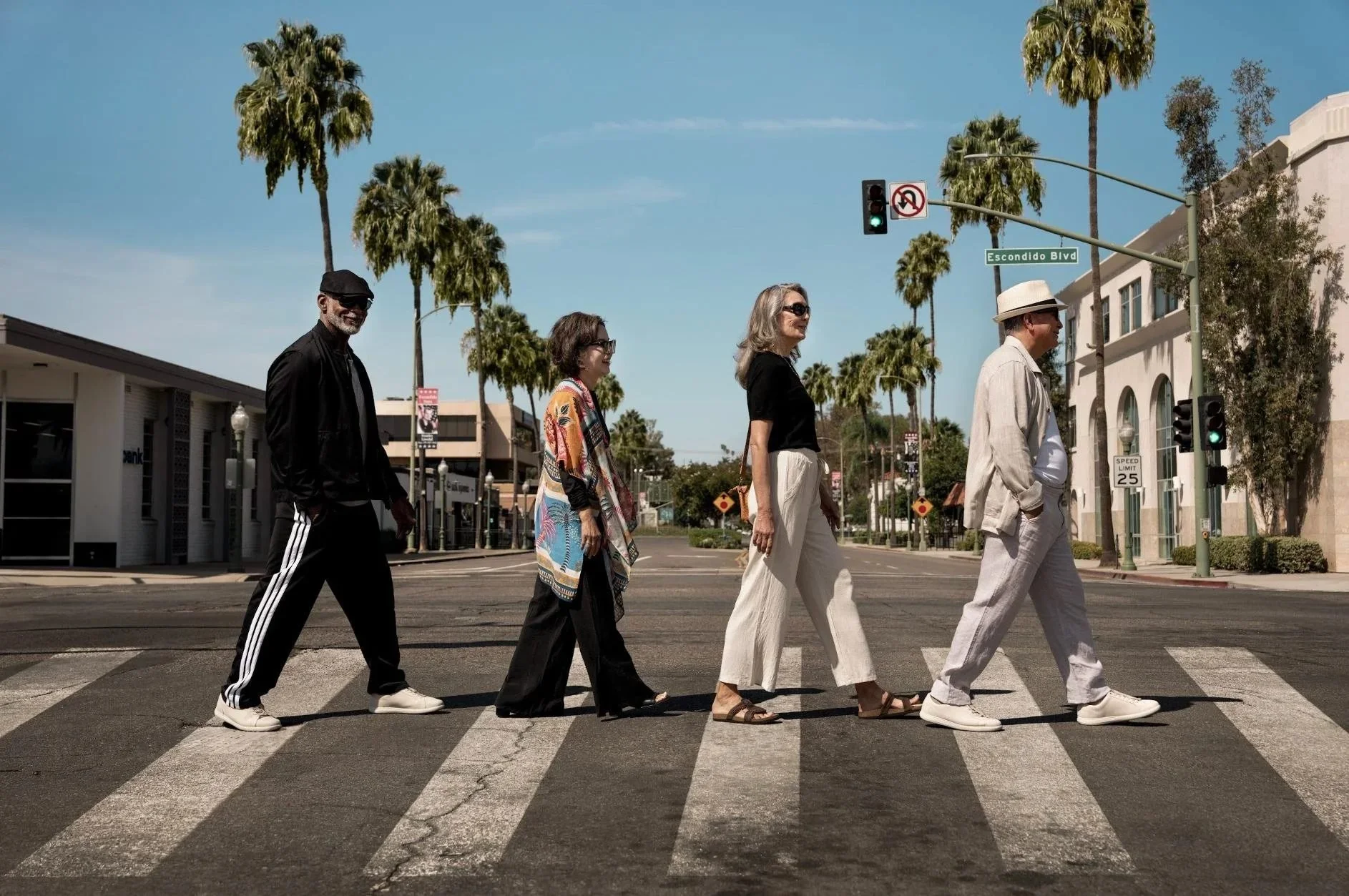
The whole shoot was built around recreating famous scenes. One was the Beatles' Abbey Road crosswalk photo. Another was Breakfast at Tiffany's. The third was a John Travolta karaoke scene, which we shot at Music Box. Bringing those scenes to life took careful coordination:
Finding the exact street and crosswalk to match the original image. I worked with a location scout to build a shortlist, then scouted each option in person.
Scouting the light, timing the sun so the shadows on the crosswalk and the light on the models' faces matched the reference.
Permits and insurance for every location, plus a full street closure on day two, which meant working directly with the city.
Location fees, scheduling and catering for a crew of 20.
Sourcing and fitting wardrobe to the brief.
Renting Music Box, an upscale music venue in downtown San Diego, as one of the locations.
Casting four models who could look natural in a scene that was, in reality, carefully staged.
It's a long list, and it takes time. But every hour invested here saves money on shoot day, when a crew of 20 is waiting on a decision.
Who's on set on shoot day
On a shoot like this one, the set usually includes:
Myself as photographer and director, leading the shoot and the talent
A digital tech (digitech) managing the files live as we shoot
Assistants and a gaffer running lighting and grip
Two or three hair and makeup artists for four models
Traffic controllers for the street closure
A wardrobe stylist
Catering
The client and the agency team
All in, about 20 people. Camera, lighting and digital capture equipment are included in the production.
Day two was the street shoot. To recreate the crosswalk image, we pulled permits to close a four-way intersection in San Diego and had police officers on site directing traffic and keeping everyone safe. That's the side of commercial photography few people picture. Much of the job is making the shot possible in the first place.
The digital tech is one of the most valuable people on set. As I shoot, images go straight from my camera to his station, where he organizes them and we flag favorites in real time. No one has to sort through thousands of frames later, and if the client brings a hard drive, they leave set that day with every image.
Selects, editing and retouching
On agency jobs, the client and agency pick the selects, the images that move on to editing. That makes sense, since they know exactly where each one will run, whether that's a billboard, a magazine page or a brochure. Because favorites are already flagged and organized on set, that review moves quickly.
The selects then come back to me, and I either edit them myself or assign them to my team of retouchers. Product, lifestyle and campaign retouching are distinct disciplines, so each set goes to the retoucher best suited to that style.
Delivery and turnaround
Final edited images are usually delivered within 5 to 7 days of receiving the selects, depending on how many images need editing. In my experience that timeline has never been a problem.
Files are delivered by Google Drive or Dropbox, whichever the client prefers. On larger shoots, the client often leaves set with the full, unedited shoot on their own hard drive the same day.
Every project includes three rounds of revisions. Anything past that is billed separately.
What costs extra
The standard service covers planning, the shoot and editing the agreed selects. A few items are quoted separately:
Rush editing. Some clients need a handful of images the moment we wrap. On a recent three-day shoot, the client flagged five images they needed immediately, and I began editing as soon as we finished. Rush turnaround is always quoted separately.
Usage beyond the original license, such as images licensed for web that later end up on billboards or packaging
Travel outside the local area
Additional crew, such as a dedicated videographer when stills and motion need to be captured at the same time
Extra edits beyond the agreed number of selects
For a sense of what different budgets cover, see my breakdown of what brand photography costs in Los Angeles.
Do you need full service?
Not every shoot needs 20 people and a street closure. A clean ecommerce shoot on white may be just me, the products and a studio. But if you're an agency or a brand with a specific creative vision, it's worth hiring a photographer who can lead the entire production, not simply arrive with a camera. The planning is where shoots succeed or fail.
The best way to get an accurate quote is to send a clear brief. Here's how to brief a commercial photographer.
FAQ
What does a commercial photographer provide?
On a full-service shoot: pre-production (locations, permits, casting, wardrobe), the shoot itself with crew and equipment, and post-production (editing, retouching and delivery). Smaller shoots include less crew and planning.
Who chooses the final images?
On agency and brand campaigns, the client usually picks the selects, since they know where each image will run. The photographer then edits and retouches those images.
How long does it take to get the final photos?
Usually 5 to 7 days after the selects are chosen. Rush editing is available at an extra cost.
Is a digital tech included?
On larger commercial shoots, yes. The digitech manages files live during the shoot, so the client can review, flag favorites and leave with the images on the day.
Planning a commercial shoot?
I run full-service photo productions for brands and agencies across Los Angeles, Orange County and San Diego. Send your brief and I'll respond with a clear, itemized quote. Get in touch here.