
In most cases, no. A single, well-planned shoot can serve your website, Amazon, Instagram, TikTok and paid media, provided every frame is composed with its final formats in mind: deliberate negative space around the subject, and video framed for both horizontal and vertical delivery. Dedicated platform shoots are warranted only when your audience and marketing strategy differ meaningfully from one channel to the next. And if you'd prefer files delivered pre-cropped to each platform's specifications, that's available as an add-on.
Here's how I approach multi-platform content, and where the limits are.
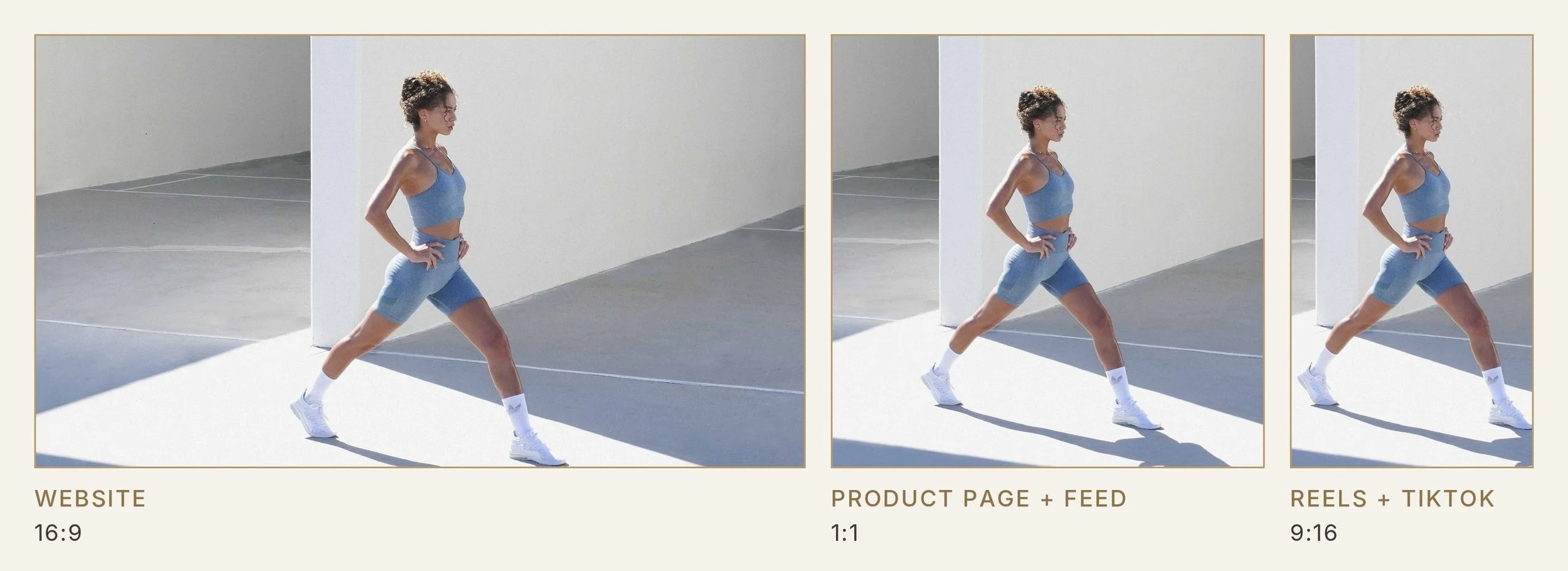
One shoot, every platform: composing for the crop
Most of my clients deploy the same shoot across every channel: product pages, marketplace listings, organic social and paid ads. What makes that possible is how each frame is composed.
For stills, I build deliberate negative space around the product or talent. That allows a single image to be cropped into a wide website banner, a square or vertical Instagram post, or a full-height frame for Stories and TikTok, without compromising the composition.
For video, many clients need both horizontal and vertical deliverables. Rather than capturing every setup twice, I run a vertical frame guide on my monitor while shooting horizontally. I can see precisely where the subject sits within the 9:16 frame, so a single take yields both formats.
Planned this way, one production day delivers considerably more usable content, which makes it far more cost-effective than commissioning separate shoots for each channel. I cover the broader strategy in how brands shoot once and create months of content.
The tradeoff: aggressive cropping costs sharpness
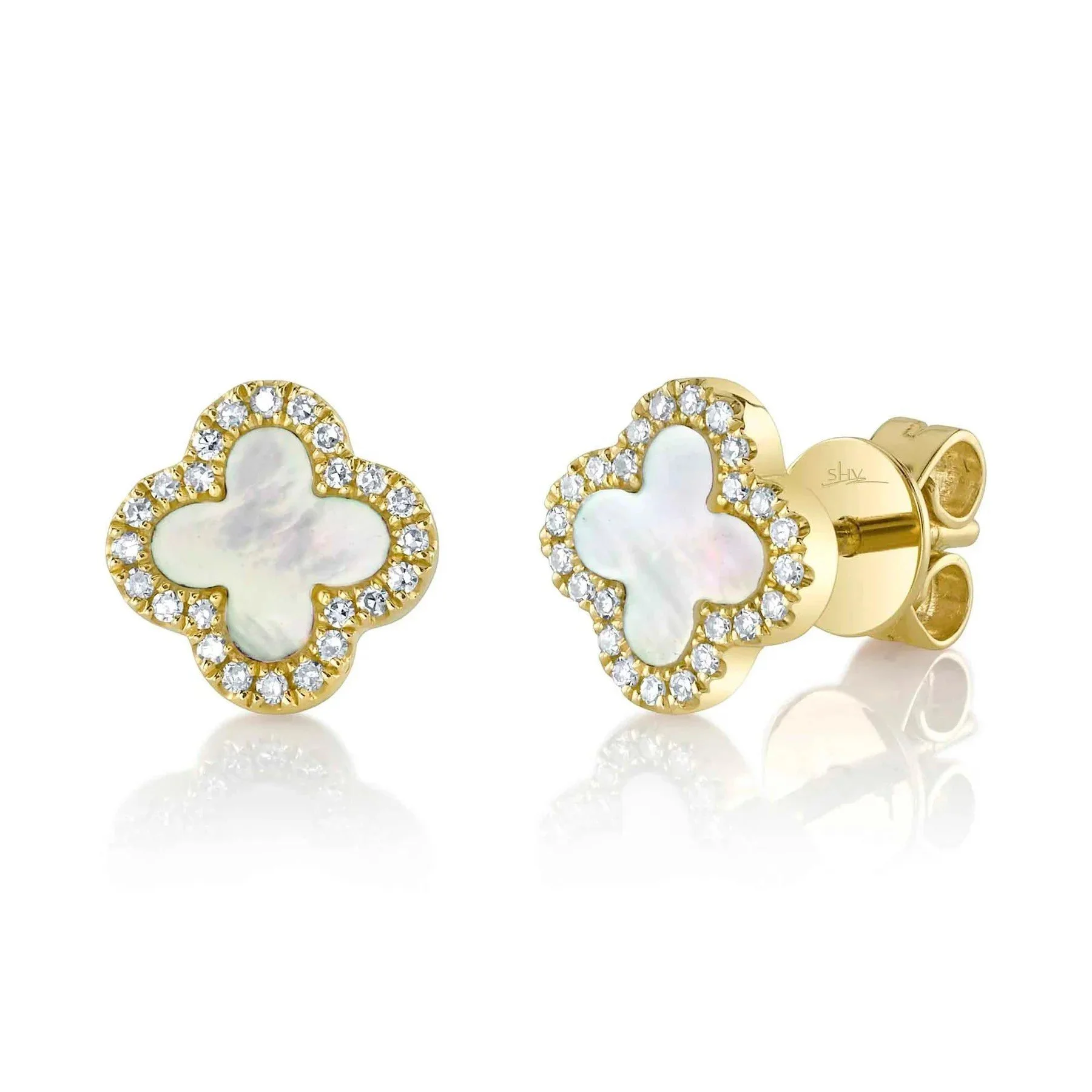
There's a limit to this approach. Leave too much space, and you end up cropping aggressively to reach the framing you need. The tighter the crop, the more resolution you sacrifice, and the softer the final image becomes.
This matters most with small, intricately detailed products. When I photograph jewelry and other fine products, I avoid relying on the crop altogether. I fill the frame with the piece so every facet and finish stays crisp, then plan any wider compositions as separate setups.
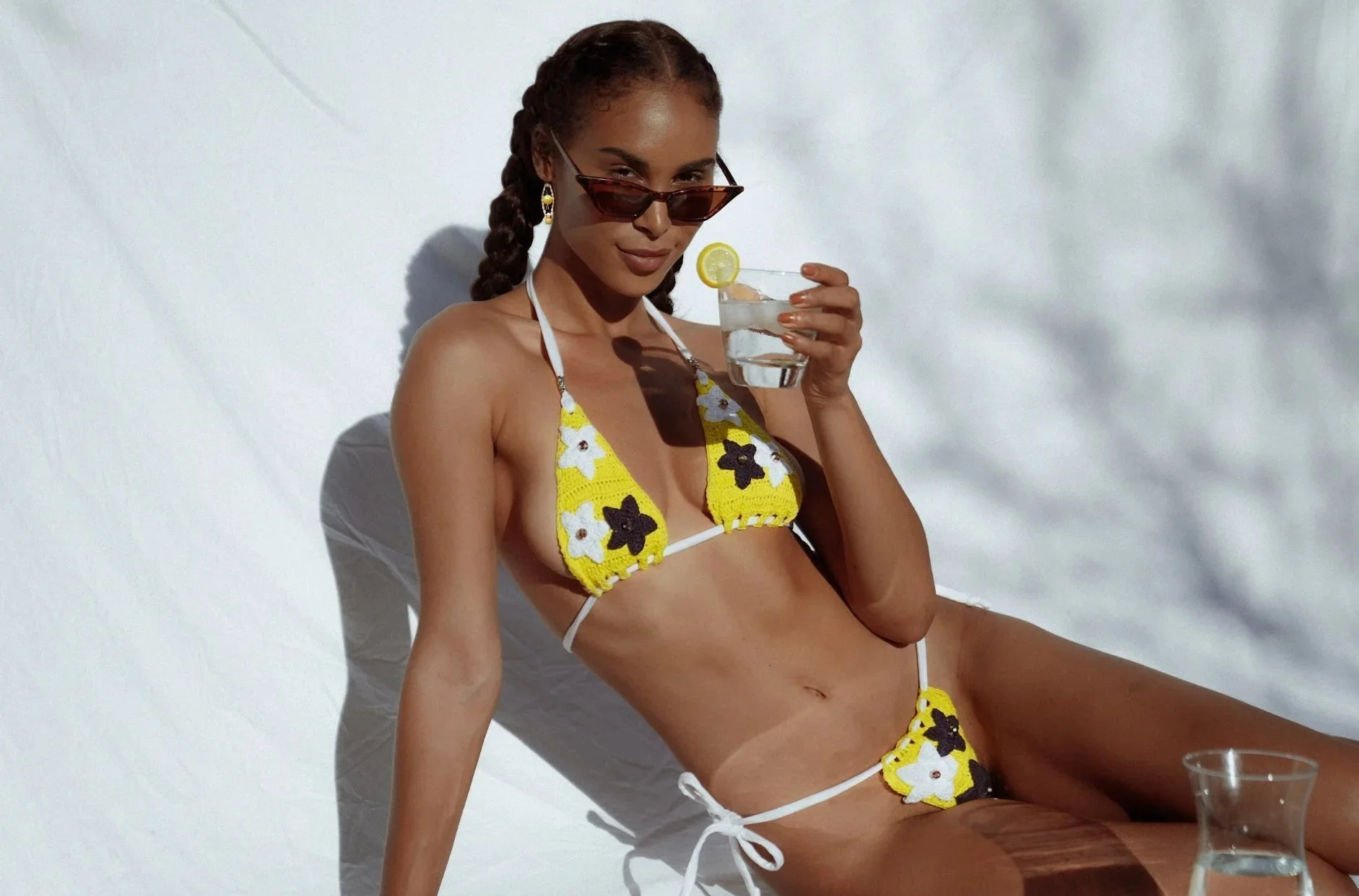
For larger products, talent and lifestyle scenes, a moderate crop is imperceptible. It's a judgment call on every setup, which is why it pays to tell your photographer up front where the images will ultimately run. A clear brief makes that decision easy.
Standard formats by platform
These are the aspect ratios most brands require. Exact pixel dimensions change frequently, so confirm each platform's current specifications before you brief your photographer.
| Platform | Aspect ratio | Implications for the shoot |
|---|---|---|
| Website banners and hero images | Wide (16:9 or wider) | Space on either side for headlines and cropping |
| Product pages (Shopify and similar) | Square (1:1) | Consistent framing across the entire catalog |
| Amazon main image | Square, pure white background, product filling most of the frame | A clean product shot on white, with nothing else in frame |
| Instagram feed | Vertical (4:5) or square | Room above and below the subject |
| Instagram Stories, Reels and TikTok | Full vertical (9:16) | Subject centered, with space top and bottom for on-screen text |
| Paid social | Square, 4:5 and 9:16 | All three planned from the same setup |
When platform-specific shoots make sense
Some clients do commission content tailored to individual platforms, and when they do, there's a sound strategic reason: their customers behave differently on each channel. A TikTok audience may skew younger and respond to an entirely different visual language than the customer purchasing through the website. When the marketing strategy differs by channel, the content should too.
There's no fixed formula. It depends on the brand, where its customers shop and what they actually engage with. Some brands want lifestyle imagery for one platform and clean product shots on white for another. If that describes your brand, note it in your brief, and the production can be planned with dedicated setups for each channel.
If you're unsure, start with a single, well-planned shoot. It covers the needs of most brands, and you can commission platform-specific content later, once you see what performs.
Cropped deliverables or full-resolution files?
Either. Some clients prefer full-resolution edited files and have their designer handle the crops. Others provide a detailed delivery spec: these selects in 16:9 for the website, these square for product pages, these on white for Amazon, these vertical for social. I can deliver every image cropped and sized to those specifications.
That requires additional post-production time, so it's priced accordingly, but your team can upload the moment files arrive. Mention it when you request a quote; it's a standard request on commercial productions.
FAQ
Can one photoshoot cover Instagram, TikTok and my website?
Yes, in most cases, provided the photographer composes with room to crop and frames video for both horizontal and vertical delivery.
Why do some images look blurry after cropping?
Because they've been cropped too aggressively. The solution is shooting closer to the final framing, particularly for small products such as jewelry.
Do I need white-background photos for Amazon?
For the main image, yes. Amazon requires a pure white background. Lifestyle imagery can run in the secondary image slots.
Will the photographer resize images for each platform?
Many will, as an add-on. Provide a list of the sizes and platforms you need before the shoot.
Planning content for multiple platforms?
Tell me where your images will live, and I'll design the shoot so a single production day covers as many of them as possible. Get in touch here.