
Short answer: professional photography for brand and corporate events typically runs from about $1,000 to $6,000. A single evening with files delivered straight from camera sits at the lower end. Longer programs, fully edited galleries, full usage rights and multi-day activations move it toward the top. No two events are scoped the same way, so the fastest route to a real number is to share your schedule, your hours and what the imagery needs to do afterward.
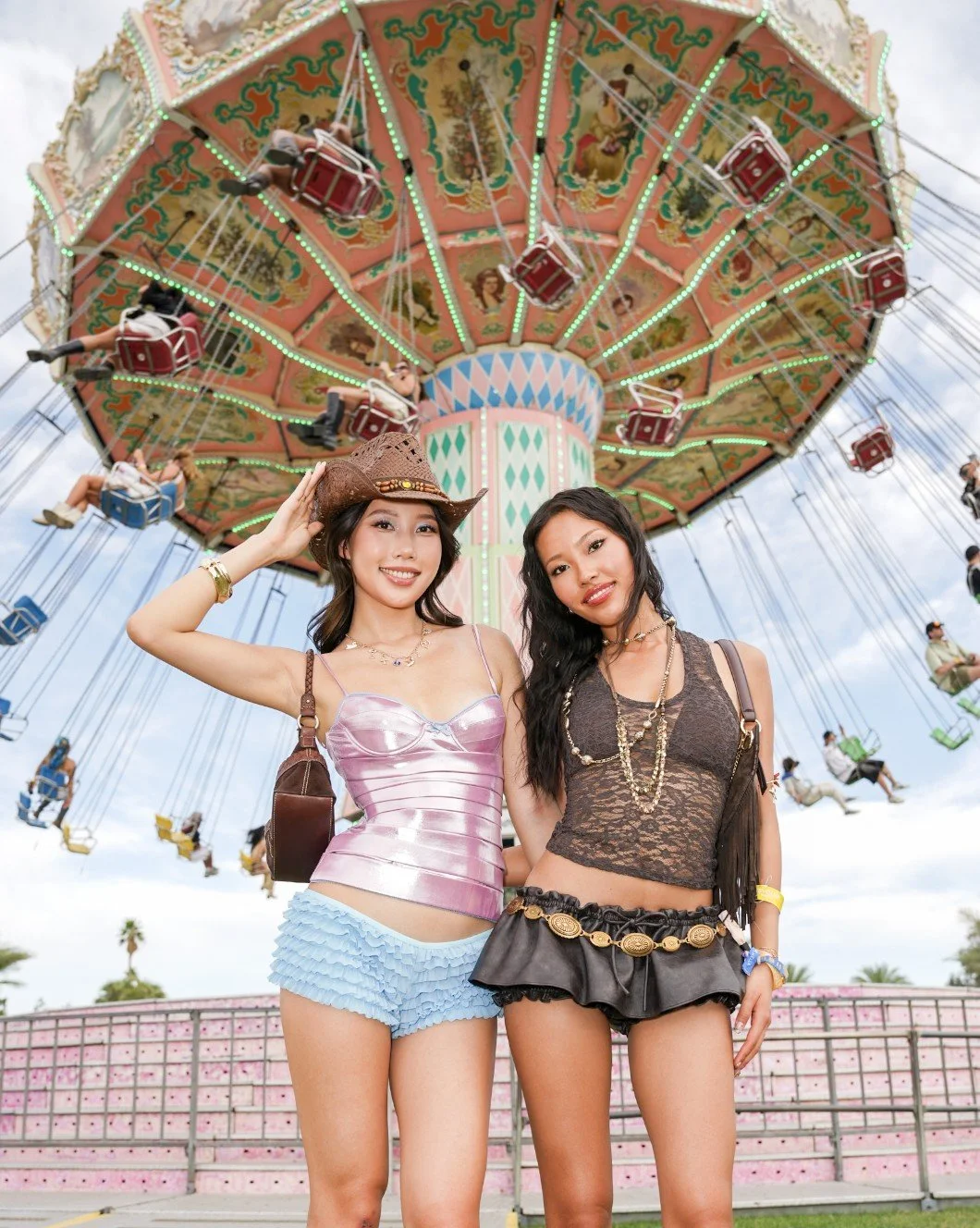
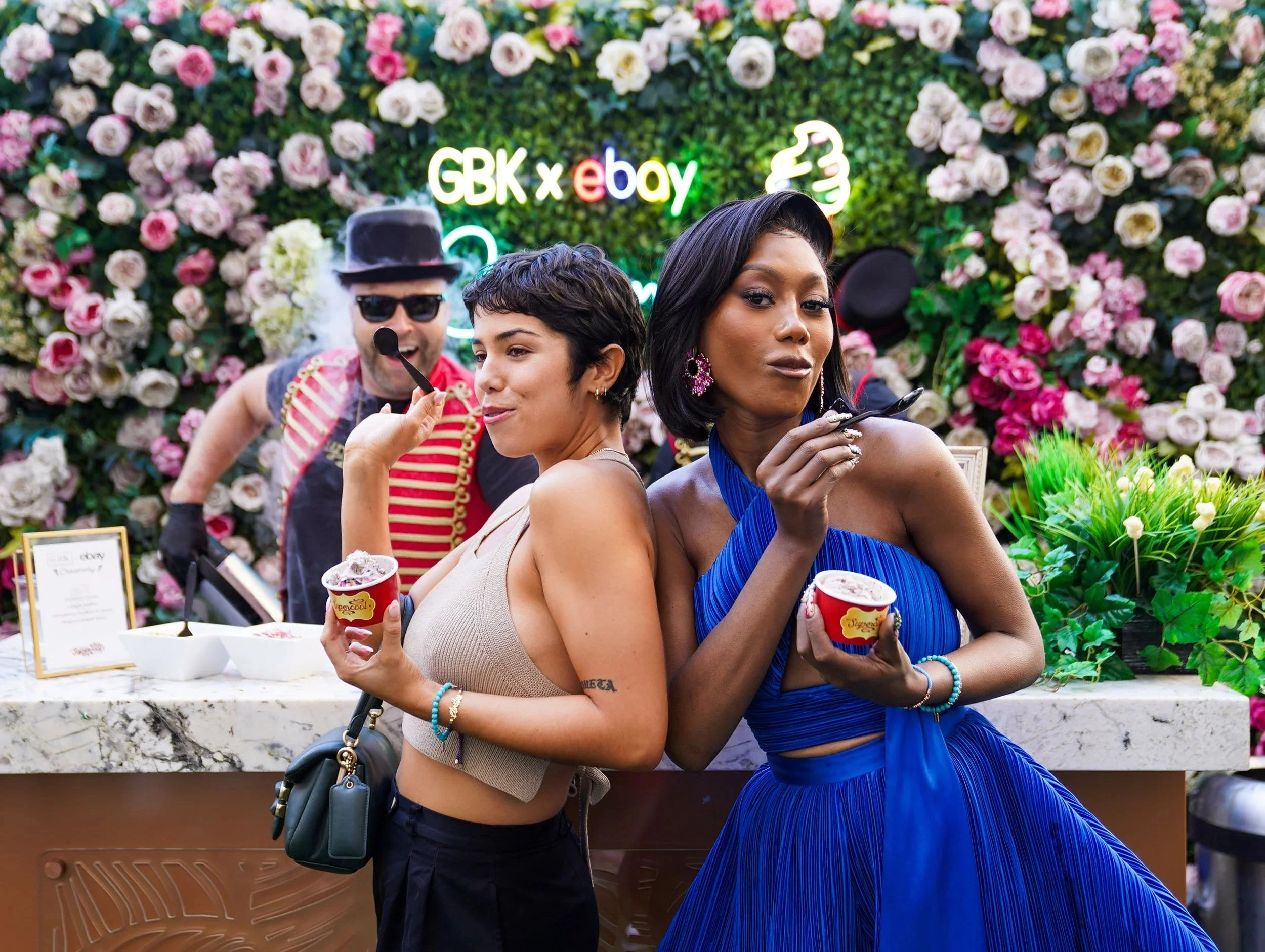
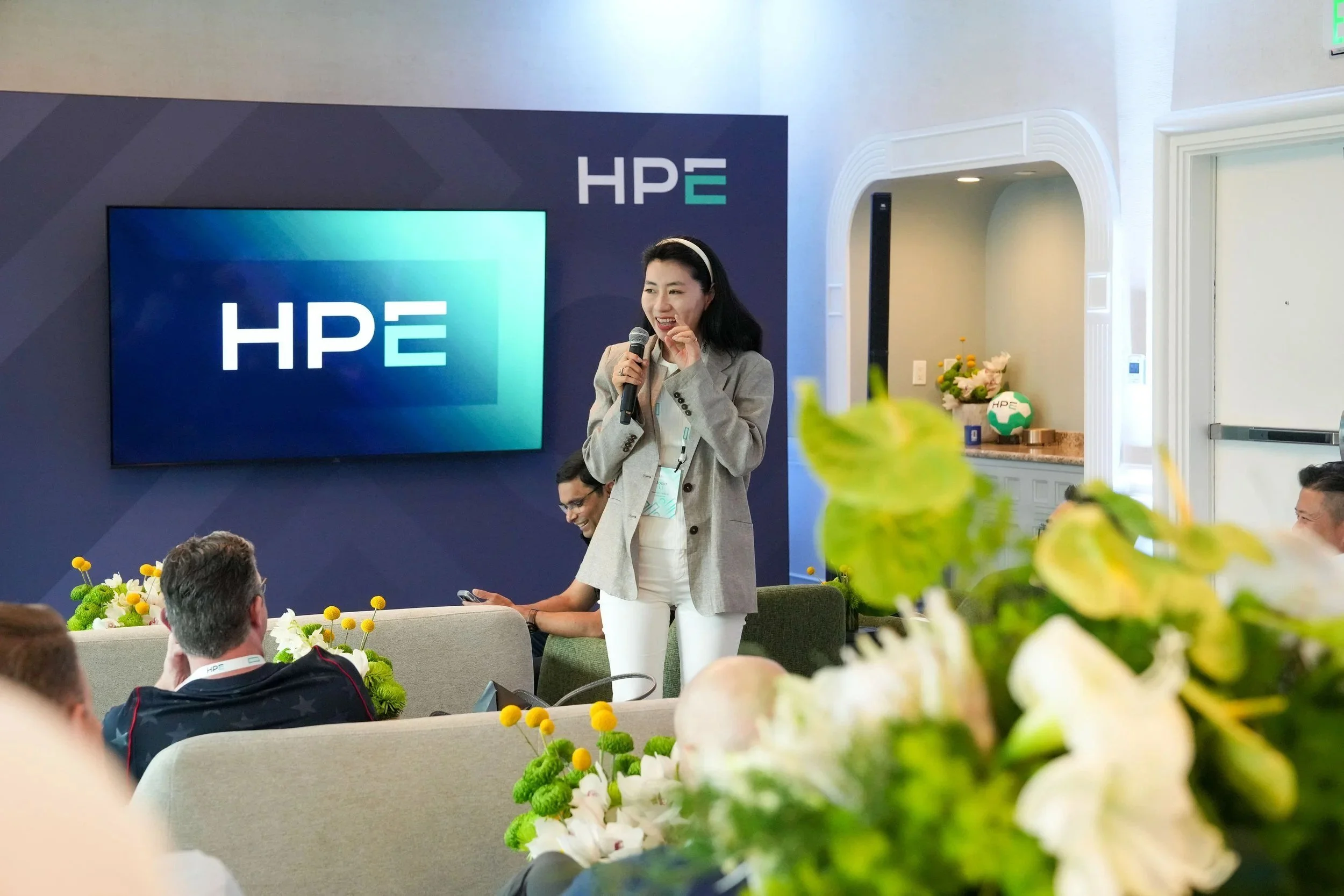
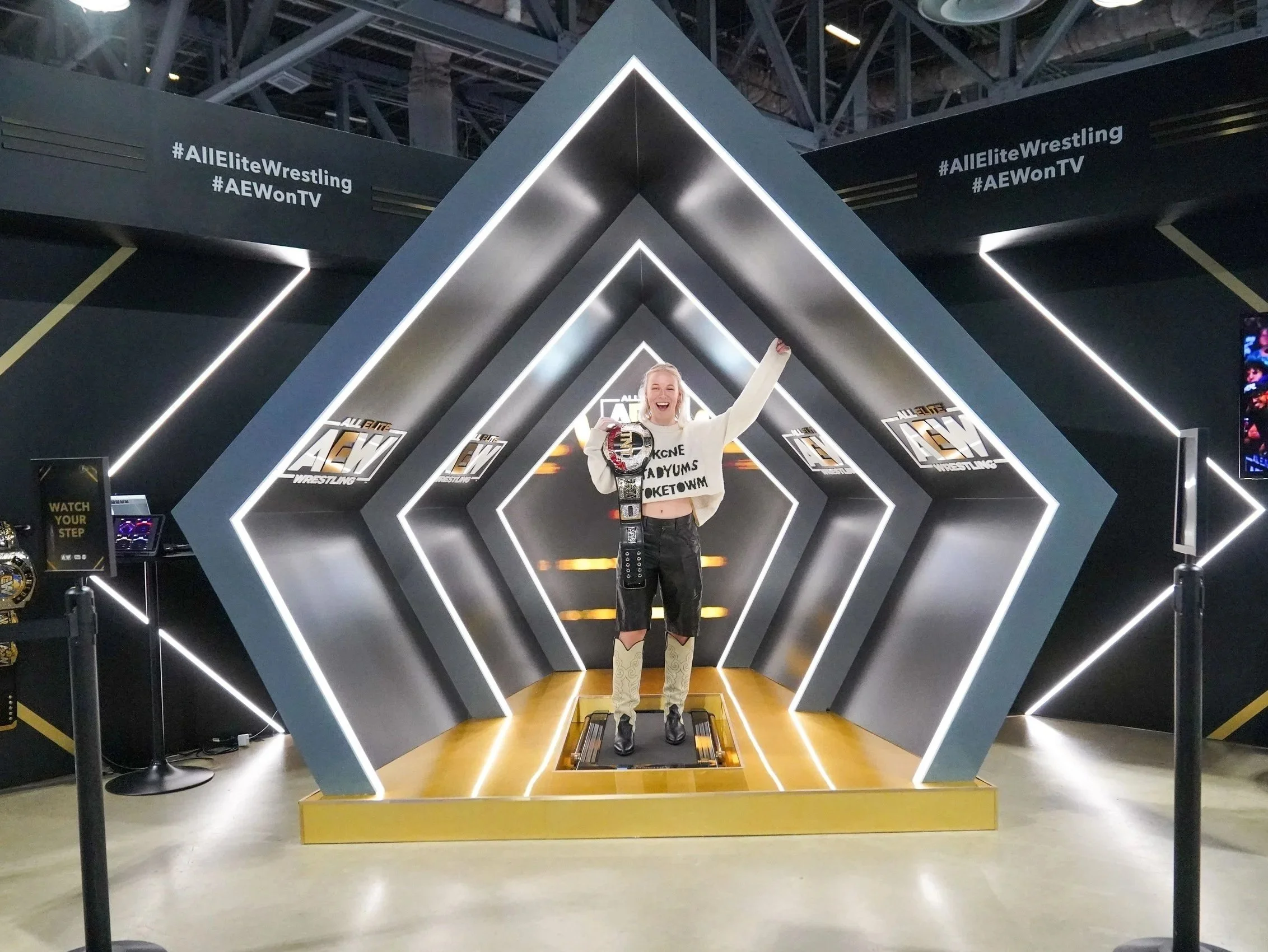
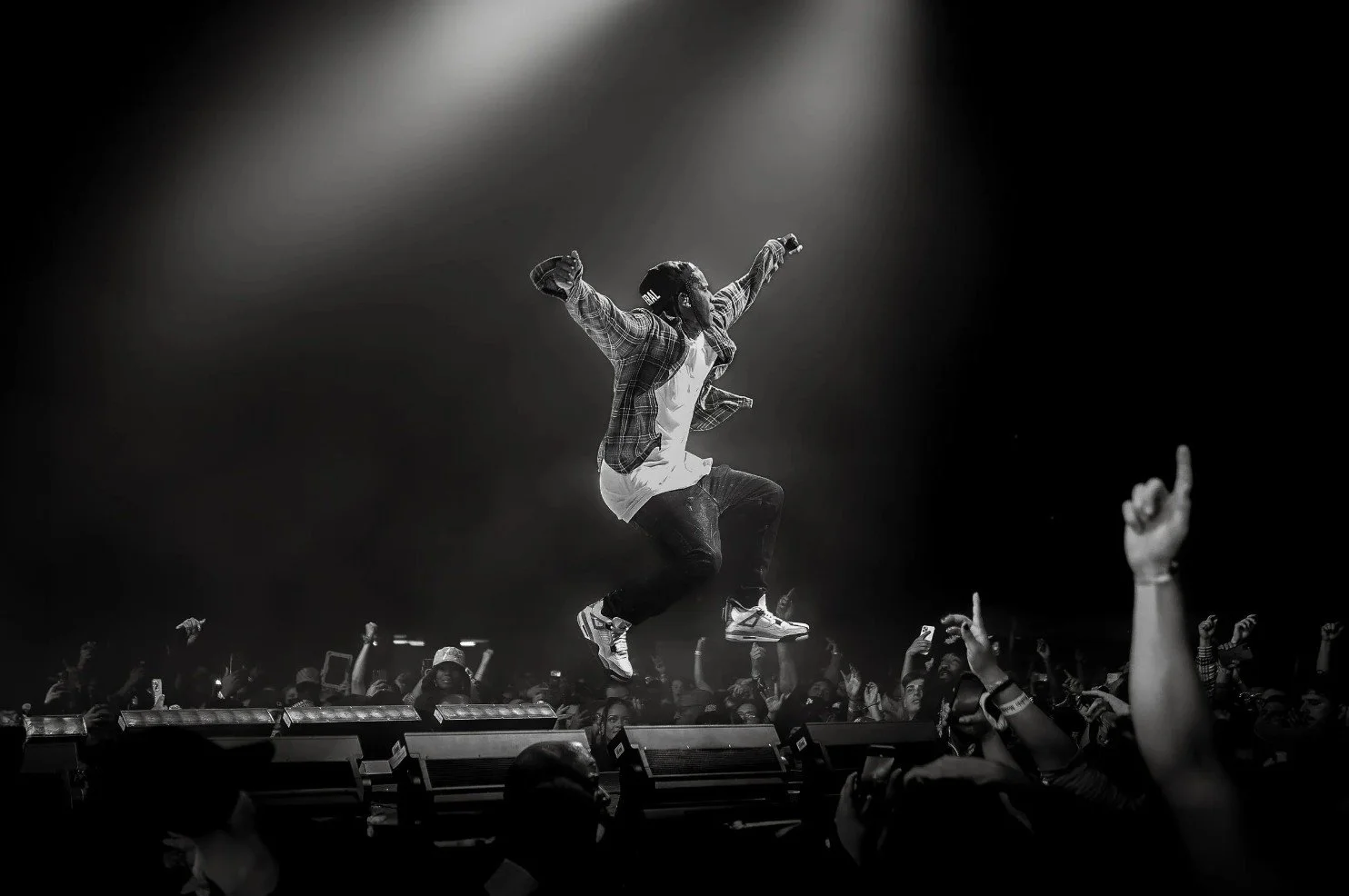
Event work is its own discipline. I've covered brand activations at Revolve Festival at Coachella, the Grammy Awards gifting suite, ComplexCon and corporate programs for Hewlett Packard Enterprise, and each one was scoped very differently. Here's what actually moves the number.
What drives the cost of event photography
1. Hours on site. A three- to four-hour evening program costs less than a full day of coverage. Festivals and activations can run three days straight, and those are scoped as multi-day engagements.
2. Edited gallery or straight-from-camera delivery. This is the variable most clients underestimate. Some events call for files handed over at the end of the night, as shot. Others need every frame color-graded and refined in post, which can take as long as the event itself. A fully edited gallery carries a higher fee.
3. Usage rights. Imagery for an internal recap and your own social channels is one scope. Full usage, covering paid media, press, sponsor decks and marketing across every channel, is licensed accordingly. For a deeper look, see what you need to know about photo rights and ownership.
4. Scale and stakes. A national brand activation with sponsors, press and talent is a different assignment than an intimate networking evening. Larger events mean more ground to cover, tighter timing and more stakeholders counting on the imagery.
5. Production add-ons. A second shooter, video coverage, travel beyond Southern California or an on-site editor for real-time social delivery all expand the scope. If your team wants to post while the event is still live, flag it when you request a quote.
What each budget level typically covers
Around $1,000: a few hours of coverage at a single event, with files delivered straight from camera. Well suited to internal recaps, networking evenings and smaller launches.
Around $2,000–$4,000: extended coverage, or a program with a fully edited gallery and full usage rights. Most brand launches and corporate events land here.
$6,000 and up: full-day or multi-day activations, festival programs, or events that call for additional shooters or video.
How a well-run event works on the day
The best-produced events, especially large brand activations and festivals, run like a production. Before I arrive, I'm typically working from:
A shot list: sponsors, VIPs, branded installations and the moments the brand needs most, like guests engaging with the product.
A run of show: the minute-by-minute schedule, so I'm in position before every key moment.
A radio: at larger events, photo and video teams are on comms with production. Calls come through like "Chris, headliner arriving at stage four in ten, take your position," or "Fireworks in twenty, all photo and video stand by."
That level of coordination is what ensures nothing important gets missed. Smaller events tend to be more relaxed. Sometimes the brief arrives when I do, which works for a simple evening, but it means the coverage rests on my read of what matters most.
How to get the strongest event coverage
Whatever the scale of your event, sharing these in advance makes a measurable difference:
A shot list. The must-haves: speakers, sponsors, signage, product moments, group photos.
The schedule. Even a rough timeline of arrivals, remarks and key moments.
Key people. Names or photos of the VIPs, executives or talent who must be captured.
The end use. Live social, a press recap, next year's sponsor deck? That shapes how I shoot and how fast you need delivery.
A point of contact on site. One person who can steer me to the right moment.
If you need images live during the event, let your photographer know in advance so on-site editing can be planned into the day.
You can see brand activation, festival and corporate work on the event photography page.
FAQ
How many hours of event photography do I need? Enough to cover arrivals, the key moments and candid networking. For most evening events, three to four hours does it.
Do event photos come edited? It depends on the scope. Some clients want files handed over the same night, as shot. Others want a fully edited gallery, which carries a higher fee and is typically delivered within 24 hours to five days.
Can I use event photos in ads? Only if your agreement includes that usage. Ask for full usage rights up front if the imagery may end up in paid media, sponsor decks or press.
Do you cover multi-day events? Yes. Festivals and activations can run up to three days, and they're scoped as a multi-day engagement.
Planning an event?
Send over the date, hours, venue and what the imagery needs to do, and I'll come back with a clear quote. I cover events across Los Angeles, Orange County and San Diego, and travel nationwide for larger activations. Get in touch here.