
Short answer: yes, and an experienced commercial photographer often should. Creative direction shapes how a shoot looks and feels, from the concept and locations to the styling and the talent who will sell your product best. Not every photographer offers it, but those who do can take a lot of planning off your plate and keep the photos focused on their real job, which is selling. You keep the final say, and the photographer brings the experience of having planned many shoots like yours.
What creative direction covers
When I'm directing a production, I'm considering:
Concept and mood: the story the photos tell and the energy on set
Locations: where to shoot, and how many scenes can realistically fit into a day
Styling and wardrobe: outfits, props and how the product is presented
Casting: which talent will present the product at its best and resonate with your customer
The technical approach: the camera, lenses, filters and lighting that will create the look you're after
The shot list: which images you need, for which channels, and in what sequence
Some clients arrive with all of that resolved and simply need me to execute, which happens often and works well. Others want guidance on some or all of it.
Why a commercial background matters
Before photography became my full-time focus, I served as e-commerce and marketing director for a portfolio of eight brands, leading their marketing and online advertising. That role taught me how customers move through a website, what earns the click and what ultimately drives a purchase.
So when I direct a shoot, I'm not only asking whether an image is beautiful. I'm asking whether it will perform: on the product page, in the ad, at the moment someone decides to buy. Creative direction should be aimed at a return on your investment, not just an attractive gallery. Learn more about my background.
Perspective offered, decisions yours
Photographers are opinionated by nature. The real skill is keeping ego in check: offering a clear point of view, and being glad to say "your idea is stronger, let's go with it" when it is.
That's how I approach every engagement. If a client wants my input, I always give it: here's how I see the shoot, here's what I believe will sell. But the final call is theirs. It's their brand.
A real example: Gymwrap at Venice Beach
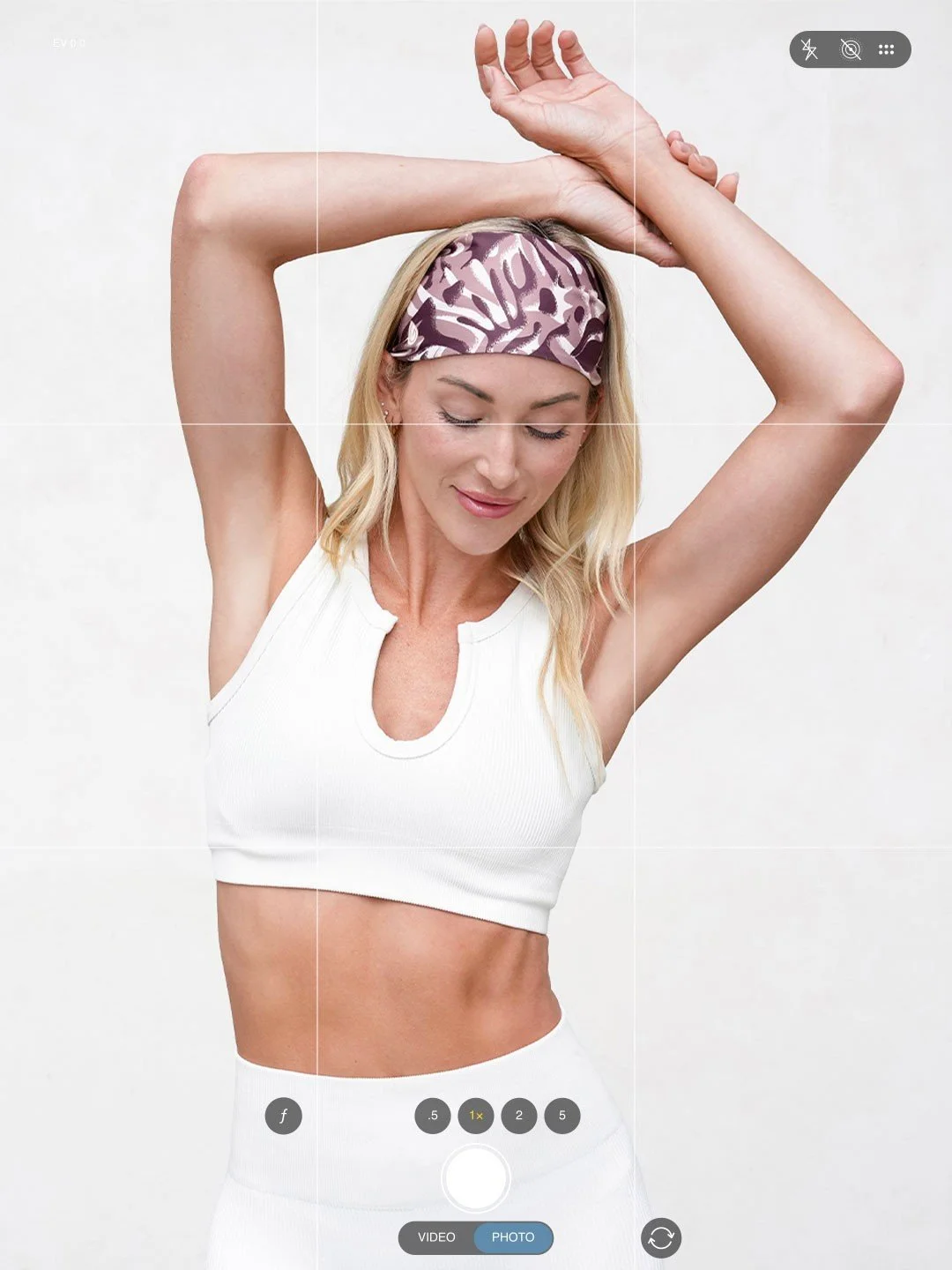
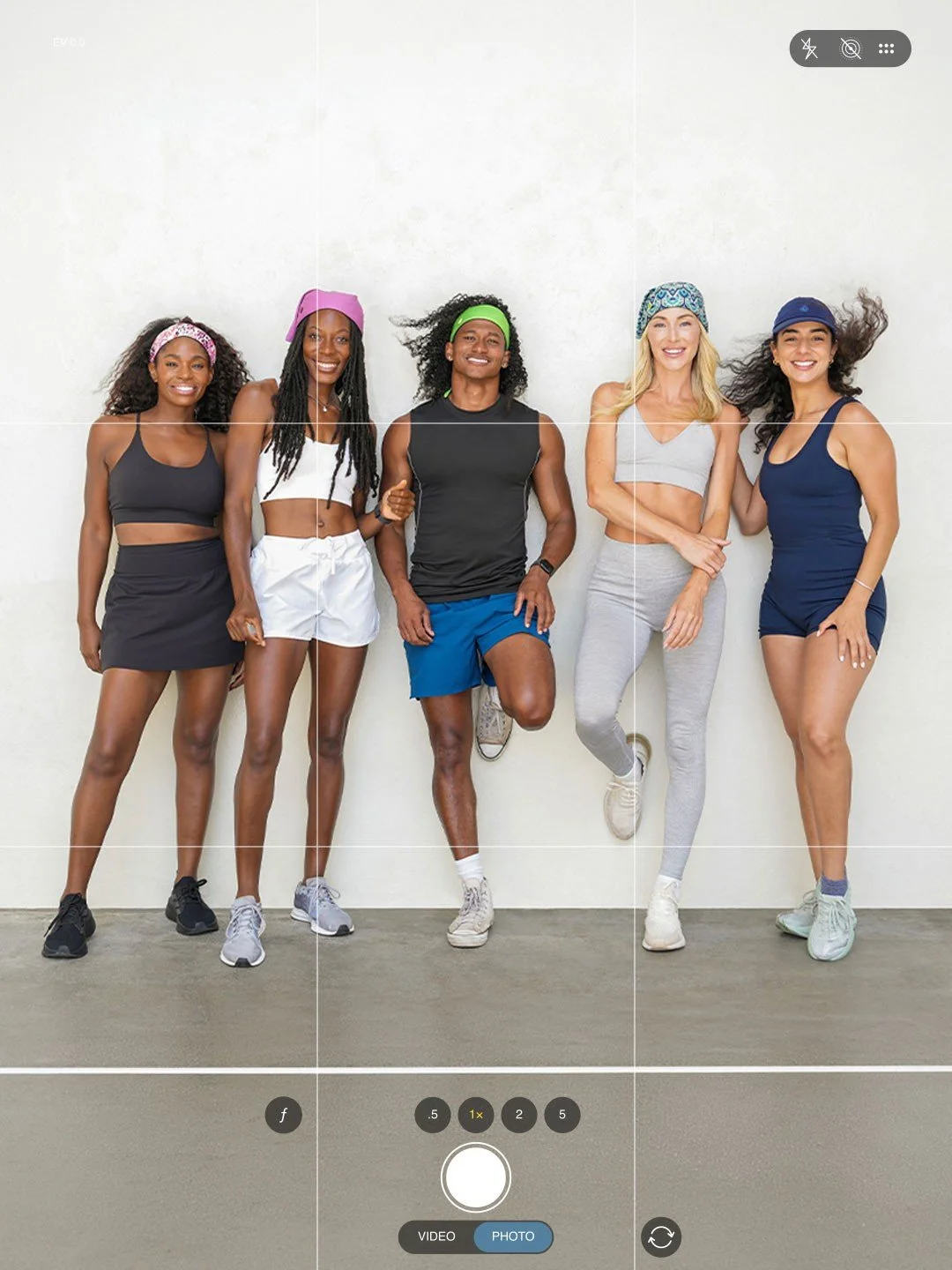
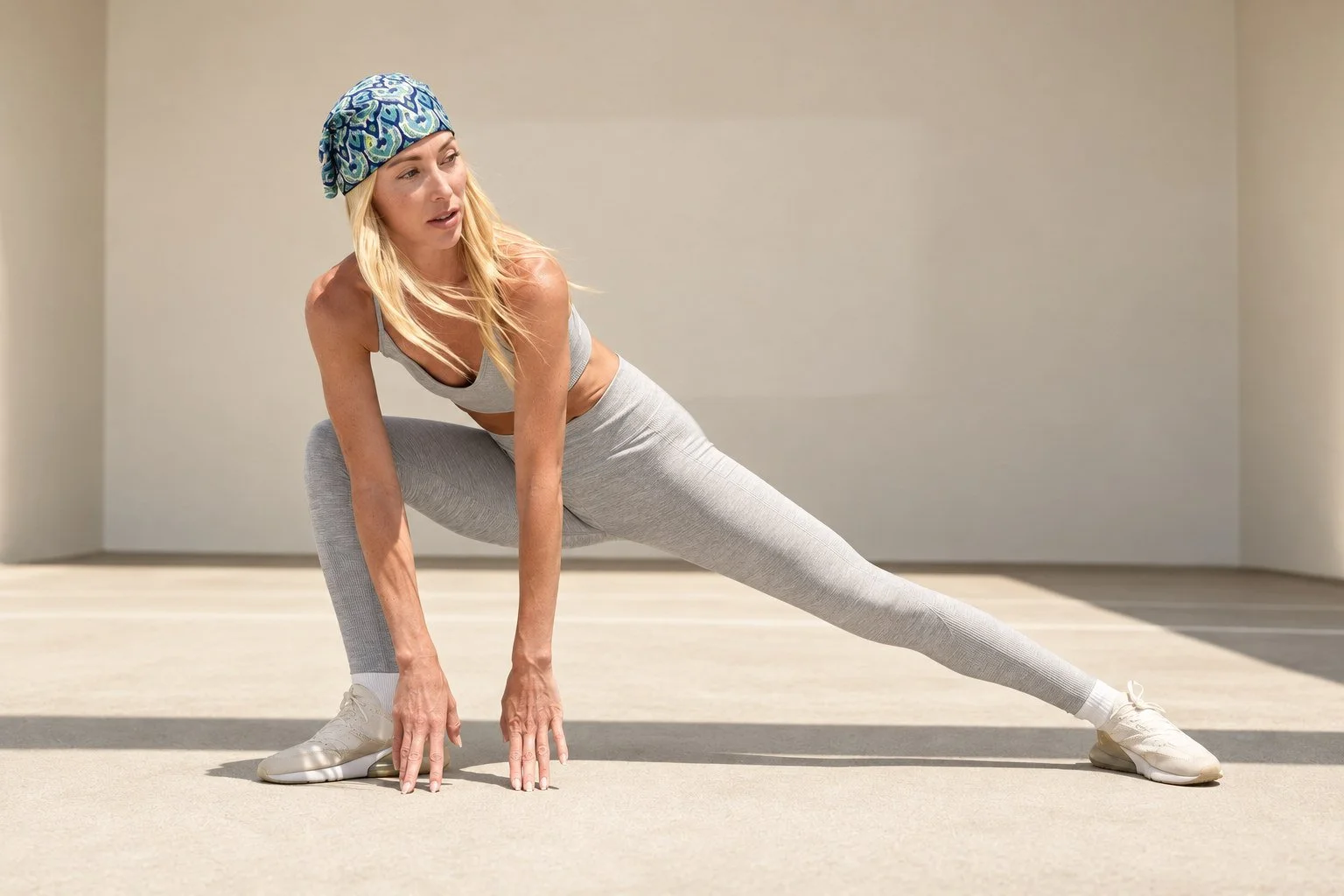
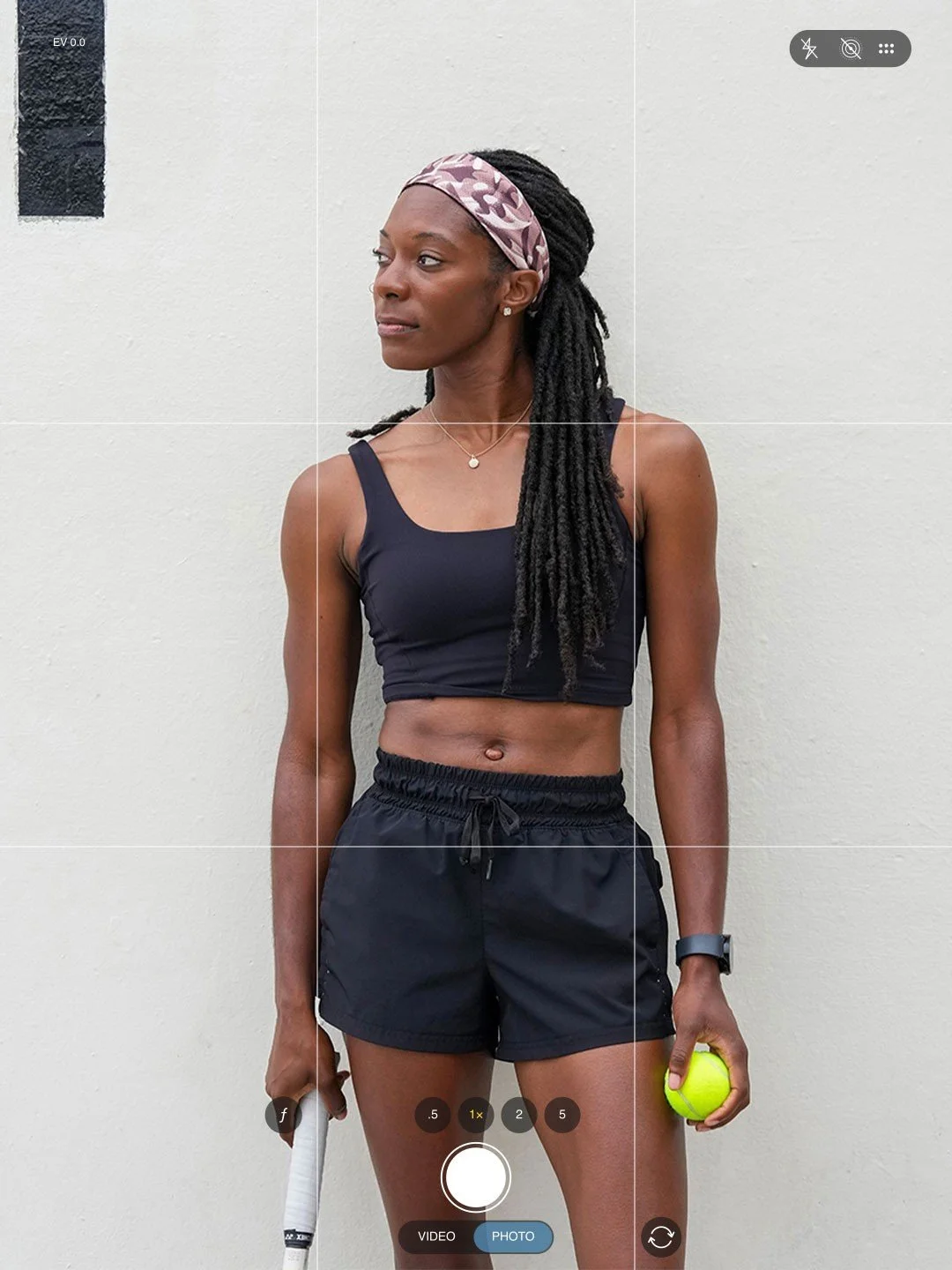
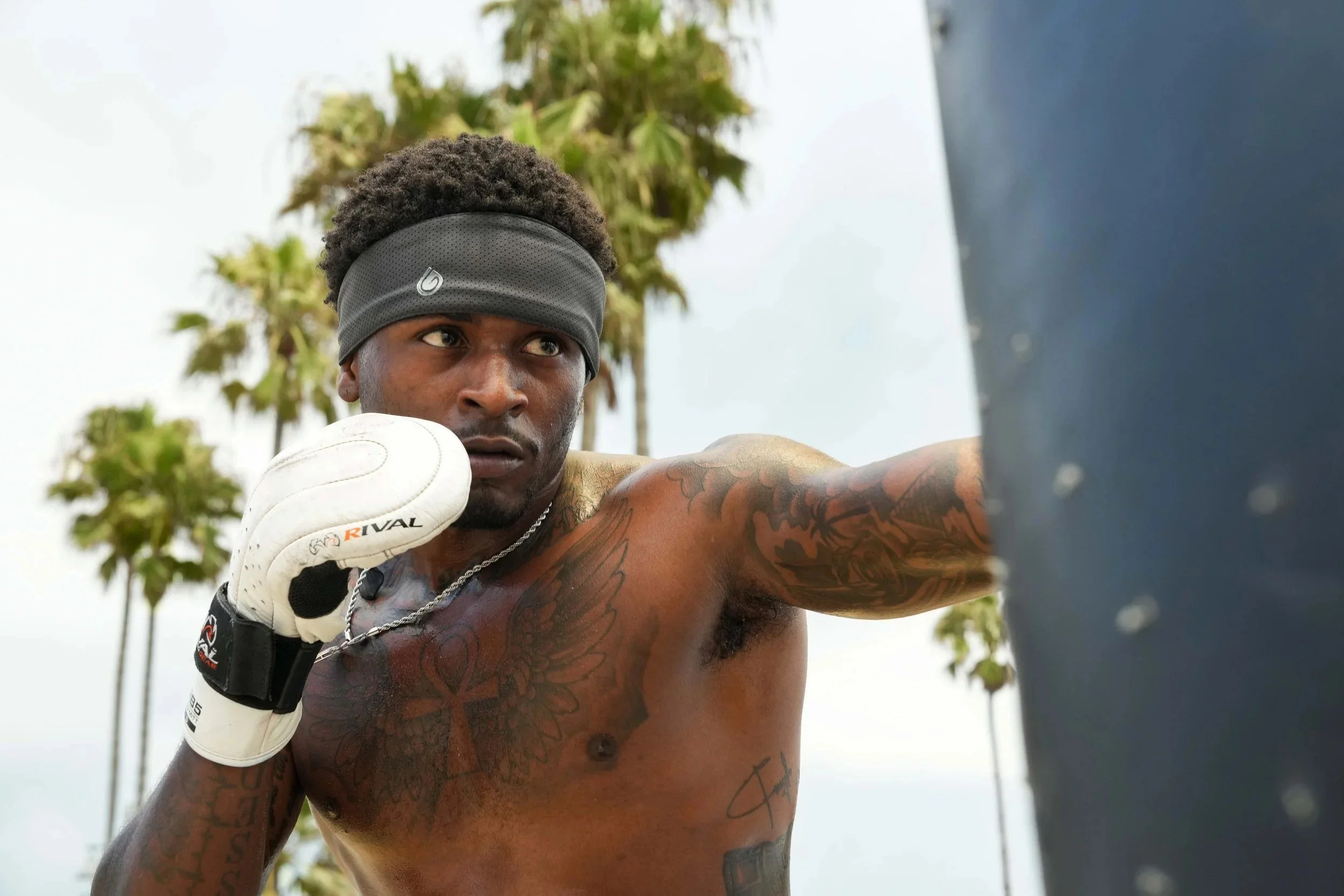
Gymwrap, a fitness brand known for caps, hats and sweat-wicking hair wraps, came to me with a production that had landed on their team at short notice. The people managing it run the business day to day; planning shoots isn't their focus. They needed someone to take ownership.
The brief called for four or five distinct scenes in a single shoot: running, yoga, beach, paddle tennis and more. There was no location secured, no creative direction and no wardrobe planned.
That's where experience counts. I photograph fitness extensively, work with talent constantly and know the locations. I assessed how many products needed coverage and what could realistically fit into one day, then proposed Venice Beach, because it offers everything within a few hundred yards:
The handball courts, which function almost like an outdoor studio
Paddle tennis courts directly alongside them
The beach for yoga and lifestyle scenes
The boardwalk for running sequences
Rather than relocating the entire crew between sites, we captured every scene within walking distance. The production ran seamlessly and the client was delighted with the results. That's precisely what creative direction is for.
Creative direction on set, not just on paper
You can plan meticulously, but some of the strongest images never appear on the mood board. On location you'll find light, a backdrop or a moment that wasn't in the brief, and it becomes the hero image of the day. Recognizing that and adapting in real time comes from experience, and it's as much a part of creative direction as the planning.
Is creative direction an added cost?
In my case, it's included. If a client wants my input on concept, locations, styling or casting, I provide it as part of the engagement. In practice, that's a lot of planning and production work clients don't pay for separately.
On larger campaigns, particularly through agencies, there's typically a dedicated creative director, and my role is to partner with them and bring their vision to life. Both models work. What matters is that someone with experience is thinking about the look and the outcome before the camera comes out. If you're working through an agency, see how I partner with agencies.
To help any photographer give you meaningful direction, start with a clear brief and mood board. Here's how to brief a commercial photographer.
FAQ
What does a creative director do on a photo shoot? They shape the overall look and narrative: concept, locations, styling, casting, mood and shot list, so the photos fit the brand and the objective.
Do all photographers offer creative direction? No. Some prefer to execute a plan someone else has developed. Commercial and campaign photographers are more likely to offer it.
Do I still get the final say? Yes. A good photographer brings ideas and experience, but it's your brand, so the decisions are yours.
Do I need a separate creative director? For most brand and product shoots, no, if your photographer offers direction. For large campaigns, agencies typically bring their own, and the photographer partners with them.
Need help shaping your next shoot?
Tell me about your brand, your customer and what the photos need to achieve, and I'll bring ideas on locations, styling and casting, as much or as little as you'd like. Explore recent campaign work, or get in touch here.