
E-Commerce photos or campaign images? How to know what your brand actually needs
There's a question almost every brand runs into at some point, usually right before a shoot: do I need clean product photos, or do I need a full campaign? Most people assume they already know the answer, and most of the time they're at least a little bit wrong about it.
Getting this decision right means every dollar you spend on photography actually works for you. Getting it wrong means paying for beautiful images that end up in the wrong place, doing the wrong job, and costing you sales you never even knew you were losing.
Here's how a photographer thinks through it, and how you should too.
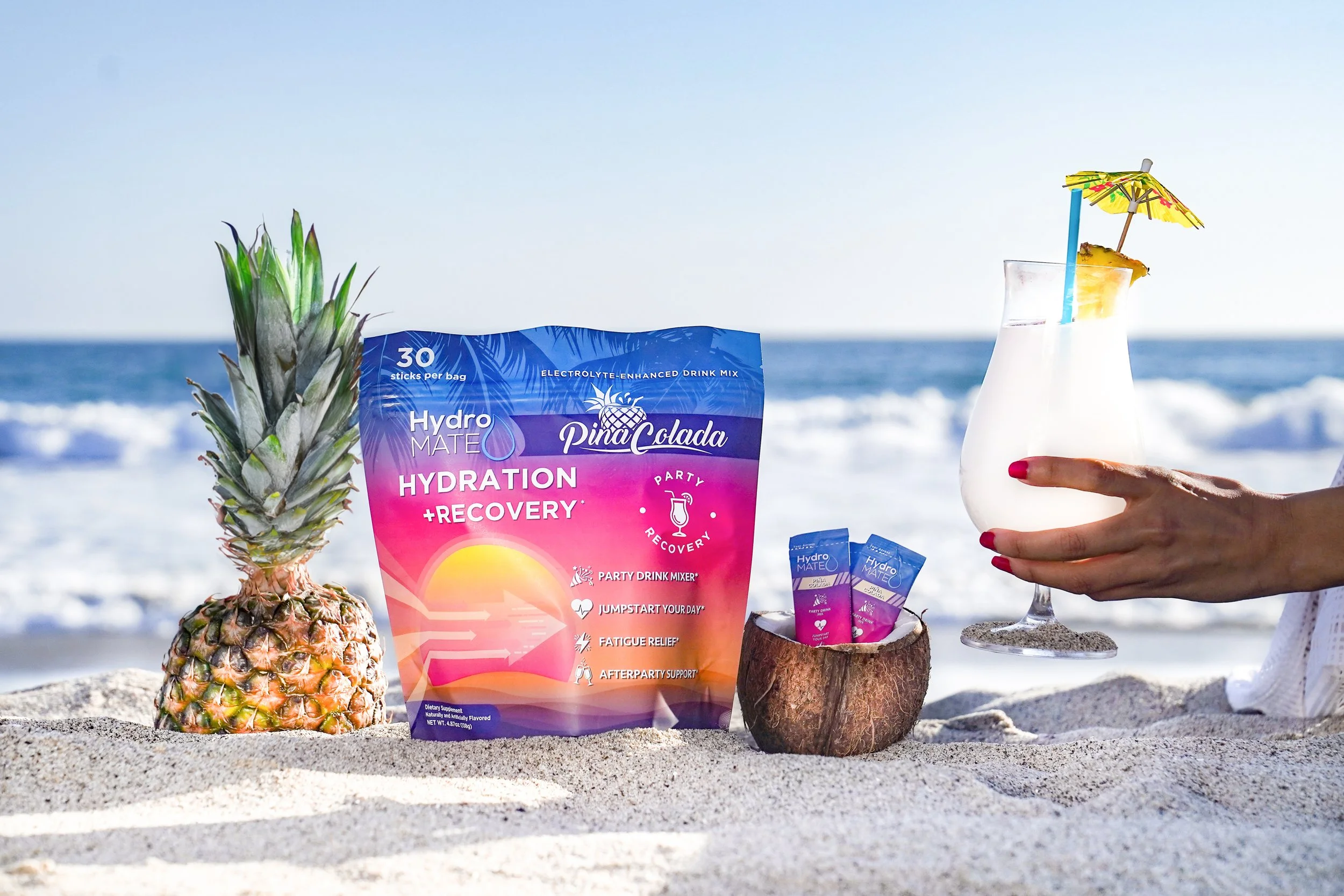
HydroMate needed imagery that worked everywhere from paid ads to their website hero. One shoot, one location, complete library.
What e-commerce photography is actually for
Most brands think of e-commerce photography as a box to check, and that's exactly why so many product pages quietly bleed sales without anyone figuring out why.
Here's the real job of an e-commerce image: it has to replace the experience of holding your product in your hands. When someone lands on your product page, they can't feel the weight of a skincare bottle or run their fingers across the texture of a fabric or tilt a piece of jewelry toward the light to see how the metal actually behaves. They're making a purchase decision entirely based on what they can see on a screen, usually on their phone, usually while doing three other things at once, and they're going to make that decision in a matter of seconds. Your images are the only thing standing between a browser and a buyer, and if they leave any room for doubt, most people will just move on.
This is why the standard for e-commerce photography is so specific and so unforgiving. Clean background, accurate color, multiple angles, and close-ups that genuinely show the texture, finish and craftsmanship of what you're selling. Not artistic. Not moody. Not styled for a vibe. Just precise and honest and detailed enough that someone feels like they already know the product before they even read the description.
Amazon enforces these standards because they've seen what happens to conversion rates when sellers cut corners on imagery, and the data is not subtle about it. Retail buyers and Shopify merchants live and die by the same rules. If your product listing is running on photos that were shot on a phone, or images that don't match in color or scale, or angle from one variant to the next, you are losing real money every single day and it has absolutely nothing to do with how good your product actually is. It has everything to do with whether your images give people enough confidence to click add to cart.
This is where every product brand needs to start, and honestly, there is no shortcut around it that doesn't cost you more in the long run.
What campaign photography does differently
Once your product pages are solid and people can actually see what they're buying, the next question becomes whether anyone who doesn't already know you is going to stop and pay attention in the first place. That's the problem campaign photography exists to solve, and it works in a completely different way than anything we've talked about so far.
Campaign images don't show your product. They make someone want to be in the picture, and that's a completely different thing to pull off.
When we shot for HydroMate, nobody was thinking about electrolytes or recovery times. We were thinking about that specific moment when a beach day shifts into something more, when the sun starts dropping, and nobody wants to leave and someone needs to make a drink decision. The Piña Colada flavor, the coconut, the orchid, the whole setup was built around making the product feel like it already belonged in that moment, not like it was placed there for a photo. The product is right there in the frame, but what you're really looking at is permission to stay out longer and still feel fine tomorrow. That's what stops someone mid-scroll, and that's what no product-on-white photo will ever do, no matter how clean it is.

Same product, completely different job. This image isn't answering questions, it's creating a feeling.
What most people don't realize until they've tried to produce this kind of work themselves is how much has to go right before the camera even comes out. The concept has to be specific enough to actually mean something, the location or set has to support that concept without fighting it, the talent and styling have to feel right for the brand rather than just generically attractive, and the photographer has to understand from the start how each image is going to live out in the world. A campaign image that works beautifully as a square on Instagram but falls apart as a horizontal web banner or a cropped ad unit is a campaign image that's already failing half its job before anyone sees it, and that kind of oversight is expensive to fix after the fact.
The sharpest way I know to draw the line between the two types of photography is this: an e-commerce image closes the sale with someone who already found you and is ready to buy, while a campaign image has to earn the attention of someone who wasn't looking for you at all and has no particular reason to stop scrolling. Both are essential and neither one substitutes for the other, but they live at completely different points in the relationship between your brand and the people you're trying to reach.
How to figure out which one you actually need right now
The honest answer is that most brands already know where their weak point is; they just haven't wanted to admit it yet.
Start by asking yourself where a potential customer is most likely to lose confidence in you. Is it before they even click, because your brand has no presence or visual identity that makes someone stop and take you seriously? Or is it after they click, because your product pages are inconsistent or unclear or just not doing enough to close the sale? Those are two completely different problems and they have two completely different solutions, and mixing them up is one of the most common and expensive mistakes I see brands make.
If your Amazon listing is still running on iPhone photos, or your product images don't match in color or scale from one variant to the next, or a wholesale buyer has come back asking for cleaner images before they'll commit, then e-commerce photography has to come first, regardless of how badly you want the campaign to work. A beautifully shot campaign image is essentially a very expensive way to send people toward a product page that then loses the sale for you, and great campaign work won't save you if the product page loses the sale anyway.
On the other hand, if your product pages are genuinely solid and your images are accurate and consistent across your entire range, but your brand still feels invisible, and your ads aren't stopping anyone, and you're gearing up for a launch or a push into a new market, that's exactly the moment campaign photography starts to earn its cost. That's when the conversation shifts from showing people what your product looks like to actually making them feel something about it, and that shift is what moves a brand from being easy to find to actually being worth stopping for.Why most brands end up needing both, and why planning for it from the start is the smarter move?
Here's something most brands don't figure out until they've done two or three separate shoots: combining both types of photography into a single day saves you a significant amount of money and solves a problem most people don't think about until it's too late.
The way we handle it at Chris Frara Studios is pretty straightforward. You bring your products, we start with the clean e-commerce setup and work through the shot list carefully, and then we move into lifestyle and campaign setups while everything is already dialed in and the product is looking exactly right. Same day, same team, same editing style all the way through. Adding a lifestyle component to an e-commerce day costs a fraction of what you'd spend booking two separate shoots, and you avoid the very common problem of images that don't quite match each other because they were shot months apart under different conditions with different eyes on them.
What you end up with is a full library of images where everything looks like it belongs together, from your product pages all the way through your ad creative and your social content, because it was all shot on the same day with the same vision behind it. This is exactly how brands like HydroMate end up with imagery that works everywhere from their Amazon storefront to their paid social campaigns, without any of it looking like it came from different photographers or different eras of the brand.
The short version
E-commerce photography makes people trust your product enough to buy it. Campaign photography makes people want your product in the first place. If you're building a brand that needs to perform online, you're going to need both at some point, and the only real question is which one to prioritize right now.
Not sure where to start? Tell us what you're selling, where it's currently living online, and what's not clicking yet. We'll tell you exactly what's missing and what it would take to fix it.